A groundbreaking discovery by the Archaeological Survey of India (ASI) has dramatically rewritten the cultural history of Telangana's most iconic festival. The origins of the Bonalu festival, long believed to be a 19th-century tradition, have been traced back to the early 16th century, adding over three hundred years to its historical timeline.
Inscription Rewrites Festival Timeline
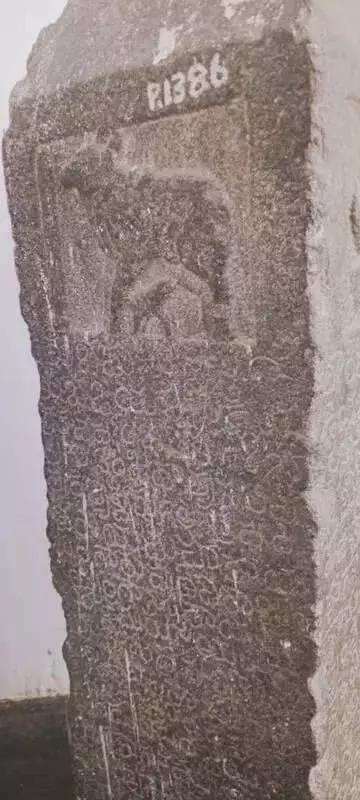
The epigraphy division of the ASI has identified a Telugu inscription from the reign of the legendary Vijayanagara emperor, Krishnadevaraya, that definitively records the celebration of Bonalu. This evidence shatters the previously accepted narrative that the festival emerged in the early 1800s. According to K Muniratnam Reddy, Director of Epigraphy at ASI, the inscription provides the earliest epigraphical reference to Bonalu in Telangana.
The crucial record was originally found in Gobbur, a region on the border of modern-day Hyderabad and Karnataka. The stone slab, now preserved at the State Archaeology Museum in Hyderabad, is dated to Sunday, May 4, 1516 CE. This single date recalibrates the understanding of a major folk tradition.

Tax Exemptions and Royal Grants in 1516
The content of the inscription reveals fascinating administrative and social details from half a millennium ago. It records a royal order for the exemption of taxes on several ritual practices essential to the festival. These practices, named in the inscription, include Bonalu, Rangam (foretelling), Kunamuggu, and Gaddapattana.
Furthermore, the inscription documents a grant of lands, designated as sarvamanyam, under the tanks of Pedacheruvu and Bollasamudram. This grant was made specifically to facilitate the celebration of Bonalu in the presence of the deity at Kondapalli. The order was issued by Rayasam Kondamarasayya under the rule of Krishnadevaraya. Significantly, the pillar text notes that these rituals and festivals were already being celebrated much before 1516, suggesting an even older, oral tradition.
Severing the Plague Link and Establishing Continuity
Until this discovery, the popular origin story of Bonalu was firmly tied to a plague epidemic in the early 19th century. The narrative held that a Hyderabad military battalion in Ujjain prayed to Goddess Mahakali for relief, vowing to install her idol and offer Bonalu if the epidemic subsided. The festival was thus seen as a roughly 200-year-old tradition born from that vow.
The 1516 inscription completely overturns this assumption. It pushes the documented history of Bonalu back by more than three centuries. This finding does more than just alter a date; it underscores an incredible cultural endurance. As Muniratnam Reddy pointed out, it is remarkable that Bonalu, Rangam, Kunamuggu, and Pattnam are still actively practiced in Telangana's folk culture today.
Bonalu, the state festival of Telangana, is a vibrant Hindu celebration dedicated to Goddess Mahakali. Observed mainly in Hyderabad, Secunderabad, and across the state during the month of Ashadam (July-August), it involves devotees preparing and offering a ritual meal to the goddess in thanksgiving for protection and fulfilled vows.
This epigraphical breakthrough highlights the deep historical roots of Telangana's living traditions. It shows a continuum of folk practices that have survived empires, political changes, and shifting boundaries, yet remain a vital part of the region's cultural identity.