One of the greatest strengths of the British monarchy lies in its masterful projection of timeless British identity. The crowns gleam, the speeches are measured, and the castles provide the perfect backdrop. Yet, the story of the royal family itself reveals a far more complex, continental heritage. The Windsors, now the very symbol of British tradition, were once so profoundly German that their original name could have been borrowed from a Central European principality.
From Saxe-Coburg and Gotha to the House of Windsor
The family we know as the Windsors did not carry that name for centuries. Their dynastic title was the distinctly German House of Saxe-Coburg and Gotha. This lineage was firmly established through Queen Victoria. Her mother was German, and her husband, Prince Albert, was a German prince from the same house. Albert's influence was so deep that he introduced the now quintessentially British Christmas tree tradition. The Victorian era, often viewed as a peak of British culture, was, in terms of royal bloodlines, deeply Germanic.
The succession continued with this German surname when Victoria's son, Edward VII, ascended the throne. However, a seismic shift was triggered during the reign of his son, King George V. The outbreak of World War I in 1914 fueled intense anti-German sentiment across Britain. Sauerkraut was renamed 'liberty cabbage,' and dachshunds became 'liberty hounds.' A royal family with a German surname became a significant liability.

The Great Rebrand of 1917: A Survival Tactic
In 1917, facing public and political pressure, King George V executed a historic public relations manoeuvre. He issued a proclamation abolishing the German family name. Inspired by the iconic Windsor Castle, the new House of Windsor was born. The change was immediate and thorough—stationery was destroyed, and official records were updated. This strategic rebranding presented the monarchy as unshakably British, a vital move for its survival during wartime.
However, a name change could not alter genealogy. The German roots ran deep and remained largely intact. Queen Mary, wife of George V, was born Princess Victoria Mary of Teck, of German descent. Prince Philip, Duke of Edinburgh, though born into Greek and Danish royalty, was descended from multiple German noble houses. The family tree of the current monarch, King Charles III, is a dense web of connections to German royal families from Bavaria, Hanover, and Hesse.
Modern Diplomacy and Historical Irony
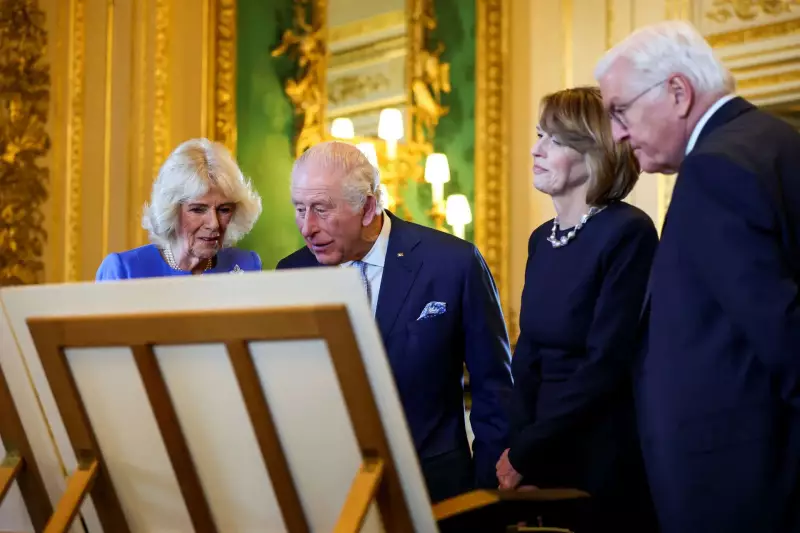
Today, this history adds a layer of rich irony to contemporary state affairs. When British monarchs host German leaders at glittering state banquets in Buckingham Palace, speaking of shared values and European cooperation, they are engaging with a nation that is fundamentally part of their own ancestral story. The chandeliers glow over conversations between a dynasty that once shed its German name and representatives from the very regions its ancestors called home.
The British royal family stands as a unique institution, a symbol of national continuity. Yet, behind the pageantry and tradition lies a truth: their Britishness is a powerful, cultivated identity built upon a foundation of pan-European, and notably German, ancestry. They are perhaps the United Kingdom's most enduring and successful German import, having meticulously reinvented themselves to become the embodiment of the nation they serve.