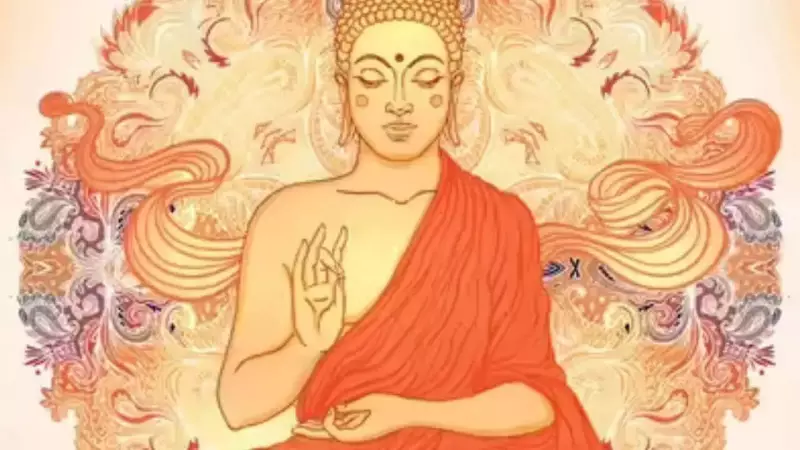
Gautam Buddha, one of history's most revered spiritual teachers and the founder of Buddhism, left behind teachings that continue to resonate across millennia. Born as Prince Siddhartha Gautama in Lumbini, he renounced a life of royal luxury to seek enlightenment. His journey culminated in a profound spiritual awakening through meditation, where he grasped the fundamental nature of human suffering. From this understanding, he dedicated his life to guiding others toward the ultimate truth. Among his many timeless lessons is the powerful directive: "Peace Comes from Within. Do Not Seek It Without." This article delves into the depth of this statement, unpacking its meaning and enduring relevance.
Decoding "Peace Comes From Within"
When Buddha emphasized that peace originates internally, he was pointing to an inner state of awareness and contentment. He taught that genuine serenity cannot be sourced from external validations or possessions. Relationships, wealth, professional success, luxury items, and social status are transient and subject to change. True peace, according to his enlightenment, is the feeling that arises when we free ourselves from endless desires and attachments. It is the state of accepting life as it unfolds, practicing gratitude, and finding contentment from within. Buddha realized that happiness and peace are independent of the outer world's fluctuating conditions. Suffering begins, he cautioned, when we invest our hopes for happiness in this impermanent, material reality and take it too seriously.
The Pitfall of Seeking Peace "Without"
The second part of his teaching, "Do not seek it without," serves as a crucial warning. Buddha observed that humans commonly link their peace to external achievements: reaching a career goal, attaining success, or securing attachments in love and relationships. He identified this very attachment as the root of suffering. When these external factors inevitably shift—when goals remain unmet, relationships fail, or careers stumble—our perceived peace shatters. Buddha's message is clear: searching for lasting peace in the outside world is a futile endeavor. The external world is in constant flux, and relying on it for inner stability leads only to disappointment and distress.

The Path to Experiencing Inner Peace
So, how does one actually experience this inner peace? Buddha's teachings guide us inward. The process involves introspection and freeing oneself from the mental chains that cause suffering. By understanding the real causes of our discontent—primarily craving and aversion—we begin to dismantle them. This is achieved through practices like mindful meditation and cultivating a detached awareness. Peace becomes accessible not by changing the world around us, but by changing our relationship to it. It is an internal experience, available once we stop seeking it in people, places, and things, and instead, turn our gaze inward to nurture a calm and accepting mind.
In conclusion, Gautam Buddha's insight, born from his own transformation from a prince to an enlightened being, offers a radical yet simple solution to human unrest. His life in Lumbini and subsequent awakening stand as a testament to the journey inward. The quote "Peace Comes from Within. Do Not Seek It Without" is not merely a philosophical idea but a practical roadmap. It urges us to stop the exhausting chase for external validation and to discover the abiding tranquility that already resides within our own consciousness, waiting to be acknowledged.