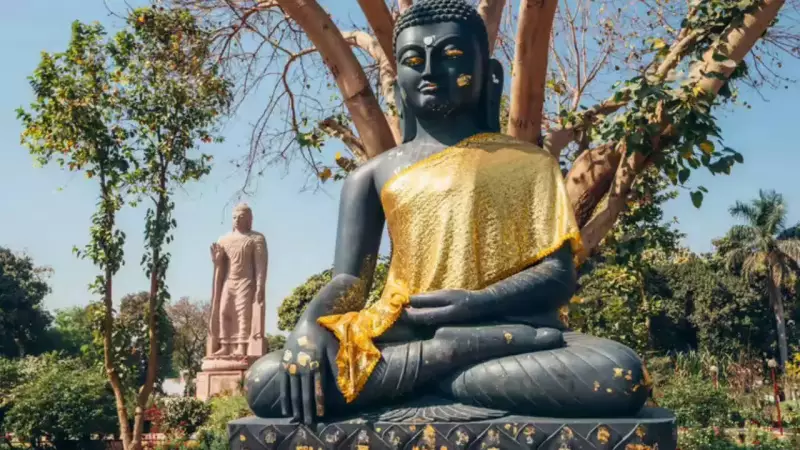
Gautam Buddha's Timeless Wisdom on Suffering and Attachment
Gautam Buddha, originally named Siddharth Gautam, stands as a profound spiritual teacher and philosopher. He founded Buddhism after abandoning a life of luxury to pursue spiritual enlightenment. His teachings, shared over 2500 years ago, continue to resonate powerfully in our contemporary world. One of his most famous quotes states, "The root of suffering is attachment." This article delves into why Buddha made this statement and what it truly means for us today.
Understanding Buddha's View on Suffering
Buddha consistently taught that attachment lies at the heart of all human suffering. When people develop expectations or crave material possessions, they set themselves up for pain. He explained suffering through the concept of Dukkha. Dukkha goes beyond mere physical discomfort. It encompasses a wide range of emotional states.
- Fear and anxiety
- Emotional attachments
- Frustration and dissatisfaction
- General unease with life
Buddha observed that suffering is an inevitable part of existence. People often carry this burden even during moments of happiness. Importantly, he noted that such suffering does not arise naturally. It always stems from some form of attachment.

What Exactly Is Attachment?
Attachment should not be confused with love or simple desire. According to Buddhist philosophy, attachment refers to an inability to let go. It creates emotional dependence on people, possessions, or outcomes. This mindset leads to several problematic behaviors.
- Holding onto relationships or objects tightly
- Expecting everything to remain constant for our happiness
- Rebelling when changes occur
- Relying on external factors for inner peace
Essentially, attachment makes us dependent on things outside ourselves for satisfaction. When those things change or disappear, suffering inevitably follows.
Relevance in Our Modern World
Today's society often chases materialistic goals with great intensity. People seek luxuries, digital validation, emotional security, and constantly compare themselves to others. When these desires go unfulfilled, frustration and depression frequently result. Some individuals develop severe anxiety when life does not meet their expectations.
Buddha's teachings offer crucial reminders in this context. True peace has no connection to material wealth or external circumstances. Peace originates from within. Life cannot be fully controlled, and attempting to do so only increases suffering. Understanding that life unfolds according to its own plan—or a higher will—can bring relief. Letting go of people and situations that no longer serve us becomes a path to freedom.
By reflecting on Buddha's insights, we can navigate modern challenges with greater wisdom. His message encourages us to look inward for contentment rather than clinging to transient external factors.