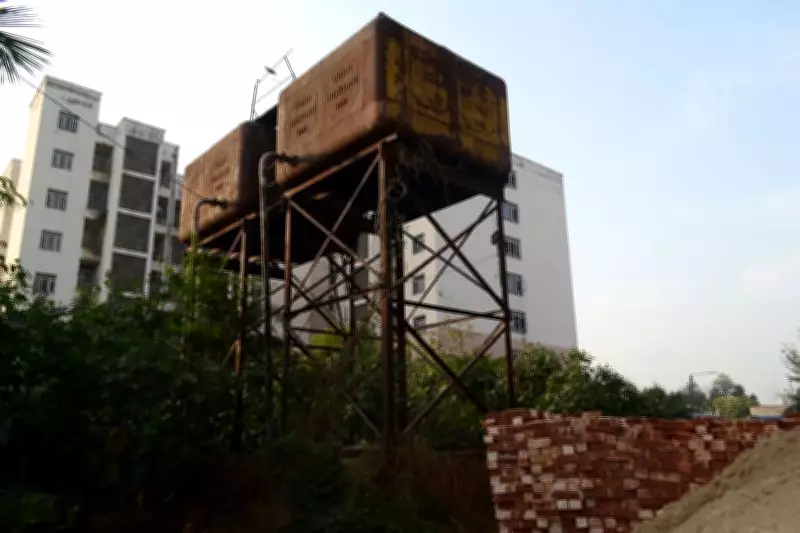
Century-Old Water Tanks Stand Tall as Heritage Landmarks in Karnal, Haryana
In the heart of Karnal, Haryana, a remarkable piece of history stands resilient against the passage of time. Century-old water tanks, constructed during the British colonial period, continue to grace the landscape, serving as enduring symbols of architectural ingenuity and historical significance. These structures, built over a hundred years ago, are not just relics of the past but active testaments to the engineering prowess of an era long gone.
Architectural Marvels from the British Era
The water tanks in Karnal were meticulously designed and built under British administration, reflecting the colonial focus on infrastructure development in India. Crafted from robust materials such as brick and mortar, these tanks were engineered to store and supply water to the local population, playing a crucial role in the region's water management system. Their construction showcases a blend of functional design and durability, with features that have allowed them to withstand decades of use and environmental challenges.
Over the years, these tanks have become iconic landmarks in Karnal, attracting attention from historians, architects, and tourists alike. Their presence highlights the rich historical tapestry of Haryana, offering a glimpse into the colonial past and the technological advancements of that time. Despite the advent of modern water supply systems, these century-old structures remain operational in some capacities, underscoring their lasting utility and resilience.

Preservation Efforts and Cultural Significance
Local authorities and heritage enthusiasts have recognized the importance of preserving these water tanks as part of Karnal's cultural heritage. Efforts are underway to maintain and protect these structures from decay and urban encroachment. Initiatives include regular inspections, minor repairs, and awareness campaigns to educate the public about their historical value. These tanks are not merely functional artifacts; they are symbols of community identity and pride, representing a shared history that connects generations.
The water tanks also serve as educational resources, providing insights into historical water conservation practices and colonial-era engineering. Schools and colleges in the region often organize visits to these sites, using them as living classrooms to teach students about local history and sustainable infrastructure. This engagement helps foster a sense of appreciation and responsibility towards preserving such heritage assets for future generations.
Impact on Local Tourism and Economy
The presence of these century-old water tanks has begun to boost local tourism in Karnal. Visitors from across Haryana and neighboring states are drawn to these historical sites, eager to explore their architectural beauty and learn about their origins. This influx of tourists contributes to the local economy by supporting small businesses, such as guides, souvenir shops, and eateries. Moreover, it promotes cultural exchange and enhances the region's reputation as a destination rich in historical landmarks.
In recent years, there has been a growing interest in integrating these tanks into broader heritage trails and tourism packages. Plans are being discussed to develop guided tours and informational signage around the sites, making them more accessible and engaging for visitors. Such initiatives aim to not only preserve the tanks but also leverage them as assets for sustainable tourism development in Karnal.
Challenges and Future Prospects
Despite their historical value, the century-old water tanks face challenges such as weathering, pollution, and the pressures of urban development. Ensuring their long-term preservation requires coordinated efforts from government bodies, heritage organizations, and the local community. Proposals for more comprehensive restoration projects and stricter conservation laws are being considered to safeguard these structures.

Looking ahead, there is potential for these water tanks to be recognized on a larger scale, possibly as protected heritage sites under state or national schemes. This could open up opportunities for funding and expertise to support their maintenance. By continuing to highlight their significance, Karnal can ensure that these century-old landmarks remain standing tall, inspiring awe and respect for years to come.