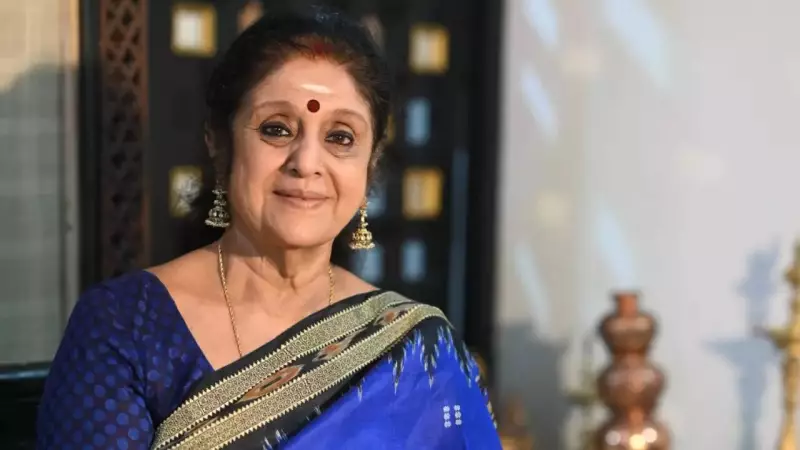
Celebrated classical dancer Chitra Visweswaran, whose 75th year was marked with a special exhibition in September 2025, reflects on a life fully lived and the evolving cultural landscape of Chennai's iconic Margazhi season. Lovingly known as Chitra akka, the veteran artiste shares a mix of nostalgia for a bygone era and pragmatic advice for the new generation in a revealing interview.
A Season of Change: Nostalgia for Intimate Margazhi
For Chitra Visweswaran, the present-day Margazhi Mahotsavam brings with it a sense of overcrowding and a longing for the past. She recalls a time when the city hosted only three major festivals, allowing artistes and rasikas to fully immerse themselves in performances. "I miss the days where we had fewer festivals and you got to see and hear the best," she states, contrasting it with the current scenario where the sheer number of events can dilute the experience.
The Anchor of Discipline: Balancing Art, Family, and Fitness
When asked about managing an intense schedule that once involved performing 30 days a month, Chitra highlights extreme discipline and time management as her pillars. She firmly believed that one's ambition should not come at the cost of family. "People must realise that it is not only your life and ambitions that matter," she advises. For her, dance was never a burden but an anchor—a driving passion that allowed her to "fly."

This same discipline extended to her physical well-being. She credits dance itself as one of the best fitness regimes, working the core, glutes, and other muscle groups. However, at 75 and managing diabetes, her focus has shifted. She emphasizes that elderly individuals with health concerns naturally become more conscious about maintaining fitness.
Guidance for the New Generation & Systemic Challenges
Observing the current concert scene, Chitra notes a pitiable sight: sometimes, more people are on stage than in the audience, despite the exceptional talent of many youngsters. Her counsel is to push boundaries and find one's unique artistic path through trial and error. On a systemic level, she proposes a collaborative model for sabhas to improve the festival's reach and viability. She suggests sabhas could unite to manage different aspects like halls, publicity, and payments across Chennai, ensuring fuller halls and better support for artistes.
Remuneration remains a critical issue. Chitra points out that very few organisers in the Margazhi circuit pay artistes adequately, with even top performers facing financial shortfalls. She also believes the audience and education system share responsibility in revitalizing classical arts. "Somewhere in the education system, people started looking down upon our culture," she laments, advocating for early exposure to the arts for children.
Personal Inspirations and Cultural Reflections
The artiste she never wants to miss? Vyjayanthimala, whose resilience and consuming passion for dance she deeply admires. Having spent her formative years in Kolkata, Chitra also draws a fascinating cultural contrast. She describes Calcutta as a place where "everything comes from the heart," driven by artistic passion. In contrast, she finds Chennai's approach more cerebral and intellectual, with people processing things "from the head."
On the topic of social media and Gen Z's engagement with it, Chitra Visweswaran offers a word of caution. She warns that it can swallow creativity by leaving no mental space or time for genuine creation. Her advice is to use platforms purposefully for learning and teaching, rather than getting carried away by likes and comments, valuing exclusive creative time for true growth.