Preserving Cultural Heritage Through Translated Stories
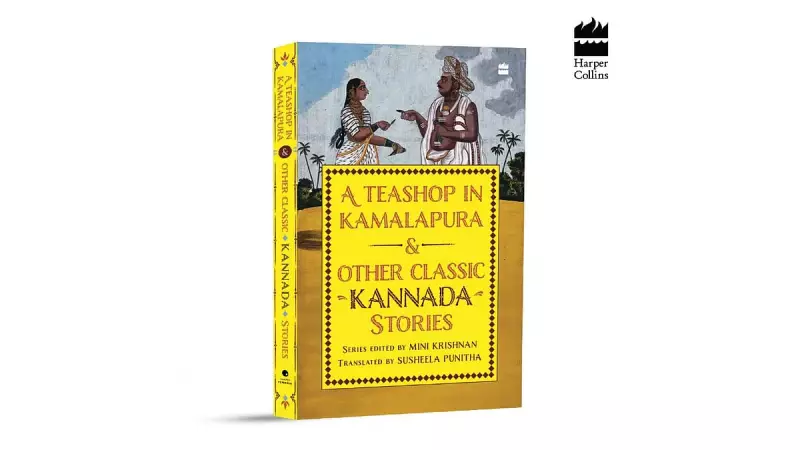
The literary world has welcomed a significant new collection titled 'A Teashop in Kamalapura and Other Classic Kannada Stories,' edited by the renowned advocate for Indian literature in translation, Mini Krishnan. This compilation represents more than just stories—it serves as a vital bridge connecting readers to the rich cultural heritage of Karnataka through carefully translated narratives.
The Art of Translation as Cultural Preservation
In her insightful introduction to the collection, Mini Krishnan frames these stories as essential components of cultural memory. She emphasizes that translation represents a deep reading of a text, where every story and poem maintains its unique voice while becoming accessible to wider audiences. This perspective highlights the importance of translation work in preserving India's diverse literary traditions.
The collection features various classic Kannada stories that have been meticulously translated to retain their original essence while making them available to readers beyond the Kannada-speaking community. Published on November 29, 2025, this work continues Krishnan's longstanding mission to promote Indian literature through translation.
The Significance of Regional Literature in Translation
Regional literature often contains the soul of a culture, capturing nuances, traditions, and perspectives that might otherwise remain inaccessible to broader audiences. This collection of Kannada stories serves as an important cultural artifact, preserving and sharing the unique worldview embedded in Karnataka's literary tradition.
The stories range from everyday life experiences to deeper philosophical explorations, all reflecting the cultural landscape of Karnataka. The title story, 'A Teashop in Kamalapura,' particularly stands out for its vivid portrayal of local life and social dynamics.
Through this collection, readers gain access to the cultural memories that have shaped Kannada literature, understanding how regional stories contribute to the broader tapestry of Indian literary heritage. The work demonstrates how translation can serve as both an art form and a preservation tool, ensuring that valuable cultural narratives continue to resonate with contemporary audiences.
As Indian literature continues to gain global recognition, collections like this play a crucial role in showcasing the depth and diversity of regional writing. They provide international readers with authentic insights into India's rich literary traditions while helping preserve cultural identity in an increasingly globalized world.