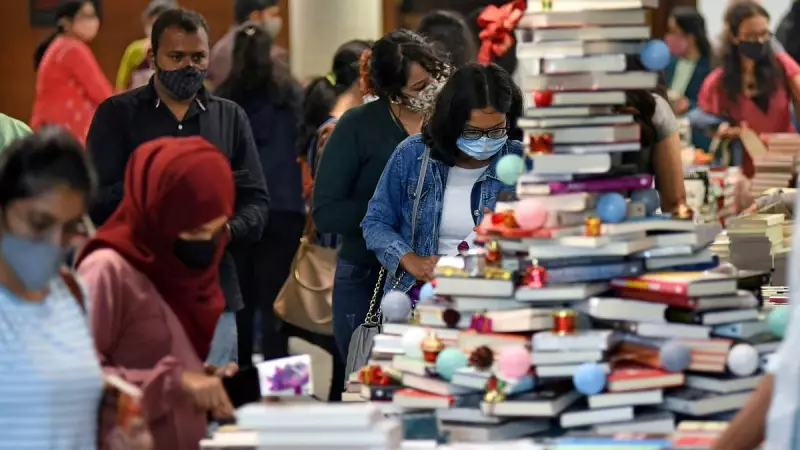
The upcoming Samajamukhi Literary Festival in Bengaluru is set to become a crucial platform for discussing the future of Kannada language in an increasingly digital world. Scheduled for June 22 and 23 at the Karnataka Chitrakala Parishath, this intellectual gathering promises to address pressing concerns about regional language preservation and adaptation.
Prominent Voices to Lead Critical Discussions
The festival will feature some of the most respected names in Kannada literature and cultural discourse. Dr. Baraguru Ramachandrappa, the renowned writer and former chairman of the Kannada Development Authority, will deliver the keynote address, setting the tone for what organizers describe as an urgent conversation about linguistic identity.
Other distinguished participants include writer and researcher Dr. H.R. Ranganath and Dr. Ramesh, both of whom bring substantial expertise to the discussion about Kannada's evolving role in contemporary society. Their participation ensures the dialogue will balance traditional values with modern realities.

Confronting Digital Age Challenges
A significant portion of the festival will focus on how Kannada can thrive in the digital ecosystem. With English dominating online spaces and artificial intelligence platforms, regional languages face unprecedented challenges in maintaining relevance among younger generations.
The discussions will explore practical strategies for increasing Kannada content creation, improving digital accessibility, and ensuring the language remains vibrant in education, technology, and daily communication. This comes at a critical time when many Indian regional languages are experiencing reduced usage among urban youth.
Beyond Language: Broader Cultural Context
While language preservation forms the core theme, the festival will also examine wider cultural dimensions. The relationship between language and identity, the economic aspects of linguistic diversity, and policy measures needed to support regional languages will all feature in the comprehensive dialogue.
Organizers emphasize that the Samajamukhi Literary Festival aims to be more than just another cultural event. It seeks to create actionable outcomes that could influence both community initiatives and government policy regarding Kannada promotion and protection.
The timing of this festival is particularly significant as Karnataka continues to navigate the balance between global connectivity and regional cultural preservation. The insights generated during this two-day event could potentially shape language conservation efforts for years to come.