Debate Intensifies Over Non-Hindu Entry into Badrinath-Kedarnath Temples
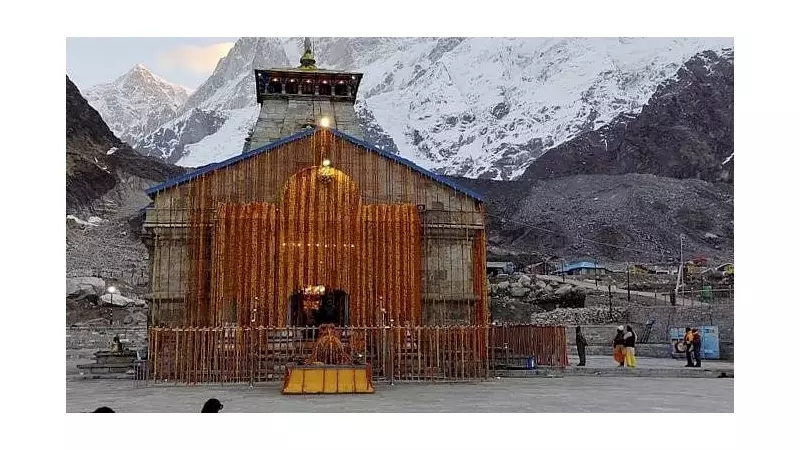
The ongoing debate over the entry of non-Hindus into the revered Badrinath and Kedarnath temples in Uttarakhand has intensified, with temple authorities defending their stance as a measure to protect religious sanctity rather than discrimination. The Badrinath Kedarnath Temple Committee has clarified that the decision is aimed at preserving centuries-old traditions and spiritual discipline.
Committee Chairman's Statement on Temple Entry Policy
Badrinath Kedarnath Temple Committee Chairman Hemant Dwivedi emphasized that the move is not intended to target any specific group. "This decision is not against anyone, but is to protect centuries-old faith, discipline, and purity," Dwivedi stated. He explained that the temples are considered sacred spaces for Hindu worship, and maintaining their purity is crucial for devotees.
Context of the Controversy and Public Reaction
The controversy arises amid broader discussions about religious access and tourism management at India's prominent pilgrimage sites. While some argue that temples should welcome all visitors to promote inclusivity and tourism, others support restrictions to uphold religious customs. The debate has sparked reactions from various stakeholders, including religious leaders, tourists, and local communities in Uttarakhand.

Implications for Tourism and Religious Practices
This decision could impact tourism in the region, as Badrinath and Kedarnath are major attractions for both domestic and international visitors. However, temple authorities maintain that their primary focus is on spiritual integrity. The situation highlights the delicate balance between preserving religious heritage and accommodating diverse visitors in India's cultural landscape.