For devout Hindus, Ekadashi is a sacred day dedicated to Lord Vishnu, observed with fasting, prayers, and spiritual reflection. This auspicious day occurs twice every lunar month, during the waxing (Shukla Paksha) and waning (Krishna Paksha) phases of the moon. In December 2025, two significant Ekadashis will be observed: Mokshada Ekadashi and Saphala Ekadashi. These observances are a time for devotees to seek divine blessings, practice self-discipline, and progress on their spiritual journey.
December 2025 Ekadashi: Dates and Precise Timings
The observance of Ekadashi is governed by the lunar calendar, and the exact tithi (lunar day) timings are crucial for beginning and breaking the fast. Here are the detailed schedules for the two Ekadashis falling in December 2025.
Mokshada Ekadashi (Margashirsha, Shukla Paksha)
This Ekadashi marks the beginning of the month's observances. The Ekadashi tithi begins on November 30, 2025, at 09:29 PM and ends on December 1, 2025, at 07:01 PM. Devotees will observe their fast during this period. The fast is broken the next day during the Parana time. The recommended Parana time is on December 2, 2025, from 06:57 AM to 09:03 AM. It is important to note that the Parana should be performed before the Dwadashi tithi ends, which is at 03:57 PM on December 2, 2025.

Saphala Ekadashi (Pausha, Krishna Paksha)
The second Ekadashi of the month occurs in the darker lunar fortnight. The Ekadashi tithi begins on December 14, 2025, at 06:49 PM. It ends on December 15, 2025, at 09:19 PM. For this fast, the Parana time is on December 16, 2025, from 07:07 AM to 09:11 AM. The Dwadashi tithi for this observance concludes late at night on December 16, 2025, at 11:57 PM.
Spiritual Significance and Benefits of Observing Ekadashi
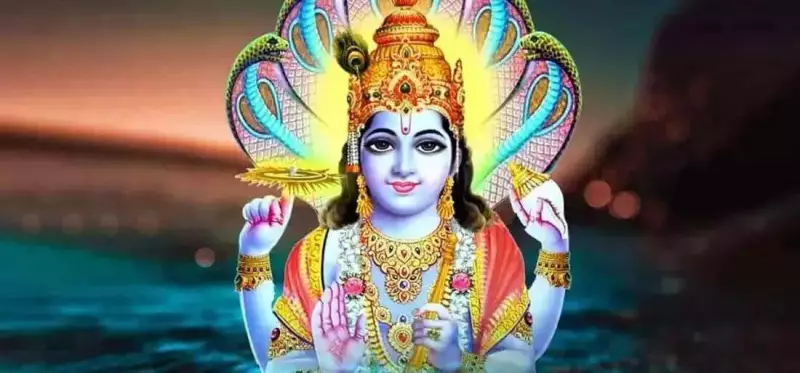
Ekadashi is far more than a ritualistic fast; it is a profound spiritual exercise. The day is dedicated to worshipping Lord Vishnu, who is also known as Shri Hari. Devotees observe a strict fast from sunrise on Ekadashi until the designated Parana time on Dwadashi, dedicating their day to prayer, chanting, and purity of thought and action.
The fast is believed to help in managing the senses and balancing one's emotions and moods. It serves as a powerful reminder to cultivate spirituality, tranquility, and mindfulness in daily life. For many, it is a day of gratitude, thanking Lord Vishnu for his blessings, and a day of atonement, seeking forgiveness for past mistakes. It is widely held that those who observe this fast each month with sincere devotion and faith are bestowed with happiness, prosperity, and fulfillment.
Puja Rituals and Observances for Ekadashi
To honor Lord Vishnu correctly on Ekadashi, devotees follow a set of traditional rituals. The day should begin before sunrise with a holy bath. After wearing clean clothes, the home and puja area are cleaned thoroughly. An idol or picture of Lord Vishnu is placed on a clean platform.
The puja involves lighting a diya with desi ghee and offering Tulsi leaves (Tulsi Patra), which are extremely dear to Lord Vishnu. Key devotional activities include:
- Chanting the Hare Krishna Maha Mantra 108 times.
- Reciting the Vishnu Sahasranama (the thousand names of Vishnu).
- Offering Panchamrit (a mixture of milk, curd, honey, ghee, and sugar) to the deity.
Chanting specific mantras dedicated to Lord Vishnu forms the core of the devotion. Some powerful mantras for the day include:
Om Namo Bhagavate Vasudevaya
Shri Krishna Govind Hare Murari Hey Nath Narayan Vasudeva
Achyutam Keshavam Krishna Damodaram Ram Narayanam Janaki Vallabham
By immersing themselves in these rituals with purity of heart, devotees seek the blessings of Lord Vishnu for spiritual growth and worldly well-being, making Ekadashi a cornerstone of Hindu devotional practice.