Delhi Historian's Mystical Journey Through Jamali-Kamali Tomb's Secrets
Eric Chopra, a 23-year-old historian from Delhi, finds himself repeatedly drawn to the historical landscapes of Hauz Khas and Mehrauli. "I often visit the historical sites around Hauz Khas and Mehrauli, and almost always stop at the tomb of Jamali and Kamali," he reveals. "It's usually locked. You can only stand outside, looking in."
Evening Warnings and Djinn Folklore
During his evening visits, Eric recalls being cautioned by nearby phoolwalas who would advise him to tie his hair and remove his perfume. "They would tell me to tie my hair and remove my perfume—advice that puzzled me—lest the djinns come after me and slap me," he says. In Islamic tradition, djinns are supernatural beings created from smokeless fire, existing between the visible and invisible realms.
From Instagram to Debut Book: Documenting Delhi's Haunted Heritage
Eric's deep fascination with Delhi's layered history inspired him to start an Instagram page in 2019, following his father's suggestion to document forgotten monuments and oral histories. This passion has now materialized into his first book, Ghosted: Delhi's Haunted Monuments. The work delves into the folklore, historical narratives, and paranormal associations of five evocative Delhi sites:

- Firoz Shah Kotla
- Jamali-Kamali
- Khooni Darwaza
- The Mutiny Memorial
- Malcha Mahal
The book skillfully merges archival research with contemporary beliefs, offering a comprehensive look at these locations.
The Enigmatic Tomb of Jamali and Kamali
Among these sites, the tomb of Jamali and Kamali holds special significance for Eric. Jamali, the pen name of Shaikh Fazlullah, was a revered Sufi saint and poet during the Lodi period and early Mughal era. Historical accounts confirm he had a wife and two children, with his descendants later influencing court politics.
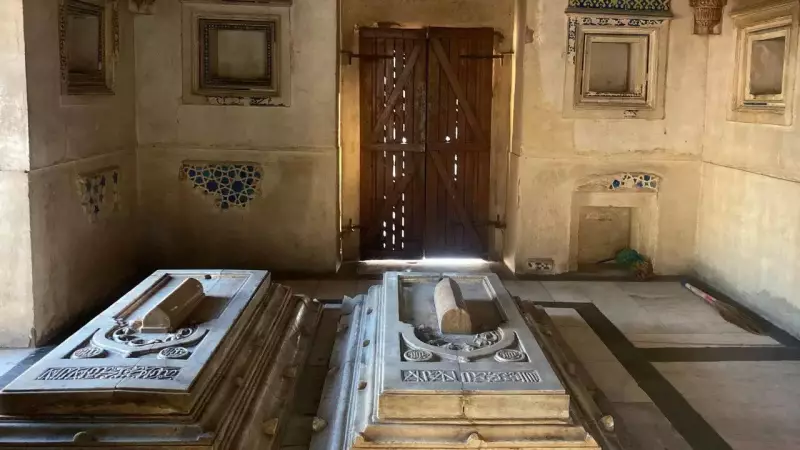
Kamali, however, remains shrouded in mystery. Historical records provide no clarity on Kamali's identity—whether a disciple, close companion, lover, or possibly a woman whose identity was altered for burial purposes. The shared tomb, featuring two graves side by side, has fueled speculation about their relationship for decades. The presence of a pen box, traditionally carved only in male tombs, suggests Kamali was male.
Architectural and Cultural Significance
Located within the Mehrauli Archaeological Park, the Jamali Kamali mosque and tomb complex was constructed around 1529, with Jamali buried there in 1536. This monument represents an important architectural transition between late Lodi and early Mughal styles, featuring:
- Elegant domes and arches
- Glazed tiles
- Delicate floral motifs
Beyond its archaeological value, the site has gained profound meaning for many, particularly within the LGBTQIA+ community, who interpret the shared burial as a rare, enduring symbol of queer intimacy preserved in stone.
A Night of Ethereal Revelation
Eric's most memorable experience occurred one fortunate evening when he found the tomb guard present. "Since I'm a regular, he recognized me, and we began talking," Eric recounts. The guard inquired if Eric could smell the agarbattis around the tomb area. When Eric confirmed the distinct fragrance, the guard revealed, "I smell it every day in the evening but have never seen anyone who came to light them!"
Upon Eric's request to view the tomb interior, the guard unlocked the door. "What I witnessed felt almost ethereal," Eric describes. Moonlight poured through the windows, illuminating the two graves with a soft glow. The space was enveloped in profound silence—peaceful yet powerful. "I suddenly felt like an intruder, as though I was disturbing the privacy of something sacred."
Overwhelmed, Eric exited quickly and asked the guard to relock the tomb. "My heart felt full—of love, not fear," he reflects. "And no, the djinns did not slap me." The guard smiled and reassured him, "Mehrauli is the city of saints. Here, the djinns do not harm you."

Legacy of Dreams and Enduring Bonds
While Eric has never seen djinns, he experiences unusually vivid dreams after each tomb visit. The story of Jamali and Kamali exists at the crossroads of history, faith, folklore, and human longing. Whether shaped by belief, imagination, or centuries of unanswered questions, the legends surrounding the tomb leave a lasting impression.
The prevailing emotion here is not fear of djinns, but a quiet acknowledgment that certain bonds—whether human, spiritual, or otherwise—persist beyond death. In Delhi, where the past remains ever-present, the tomb stands as a timeless testament to love and connection that has endured through centuries of transformation.