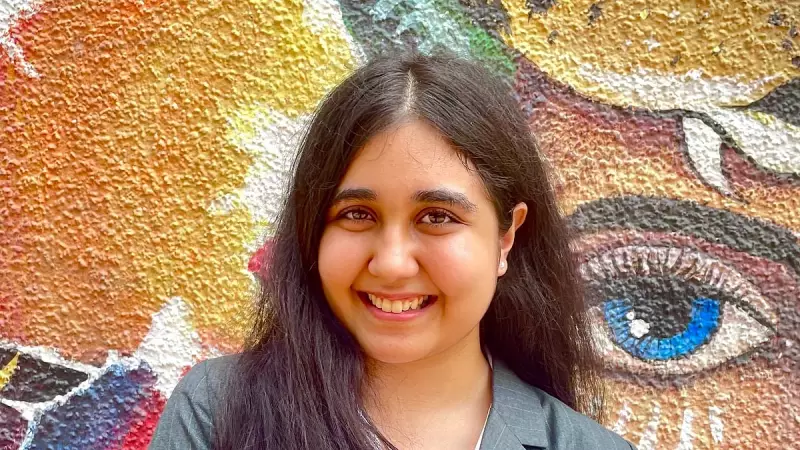
In the heart of India's capital, a powerful voice is using the art of poetry and the science of human behaviour to dismantle deep-rooted patriarchal structures. Abhisha Gulati, a Delhi-based poet and behavioural science communicator, has transformed her personal observations of gender inequality into a sustained campaign for change.
From Childhood Questions to Activist Answers
The seeds of Abhisha Gulati's activism were sown early in her family life. As a child, she keenly observed a glaring injustice within her own home. Her mother served as the primary breadwinner for the family, yet she did not receive commensurate recognition or credit for this crucial role. This early, personal encounter with the mechanics of patriarchy sparked a series of questions that would later fuel her creative and activist work.
Gulati did not merely accept this status quo. Instead, she began to critically examine the societal norms that rendered such contributions invisible. Witnessing this disparity firsthand provided her with a raw, authentic understanding of how patriarchal systems operate, even within modern Indian households. This lived experience became the foundational narrative driving her mission.

Merging Poetry with Behavioural Science
Abhisha Gulati's unique approach lies in her dual expertise. She is not just a poet expressing emotion; she is a communicator trained in behavioural science. This combination allows her to craft messages that resonate on both an emotional and a cognitive level. Her poetry becomes a tool for empathy, while her understanding of human behaviour helps structure her activism to effectively challenge and change ingrained mindsets.
Her work moves beyond simple critique. By using verse, she connects with audiences on a personal, often subconscious level, making the abstract concepts of gender equality tangible and relatable. Simultaneously, her background in behavioural science equips her to design interventions and communications that can nudge people towards more equitable thinking and actions.
A Sustained Call for Change
Gulati's journey from a questioning child to a public advocate highlights a growing movement of individuals using art and evidence-based communication for social reform. Her story, reported by Smitha Murthy and published on 03 January 2026, underscores a persistent and evolving dialogue about gender roles in contemporary India.
The implications of her work are significant. It represents a shift towards interdisciplinary activism, where art and science collaborate to address complex social issues. Gulati stands as an example for others who wish to channel their personal experiences of injustice into structured, impactful action. Her continued efforts contribute to the broader, ongoing struggle for a society where contribution and credit are fairly distributed, regardless of gender.