

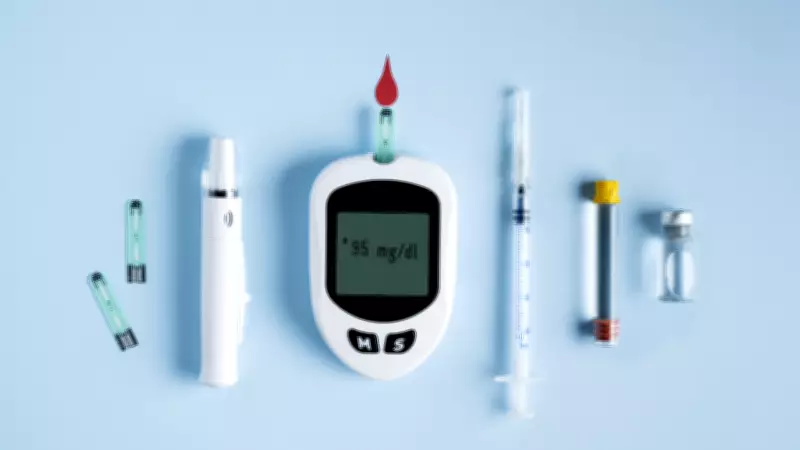
Gujarat Girl's Diabetes Journey: Holistic Wellness Shows Promising Results
An eight-year-old girl from Gandhinagar, Gujarat, diagnosed with Type 1 diabetes, has demonstrated notable health improvements following participation in a structured holistic wellness program conducted in Haridwar. Prior to enrolling in the program, the child had been undergoing conventional medical treatment and was prescribed a daily dosage of 23 units of insulin.
Concerned about the prospect of long-term insulin dependency at such a young age, her mother and grandmother actively explored alternative supportive therapies. This search led them to enroll the girl in a seven-day residential wellness program designed to integrate traditional healing practices with lifestyle modifications.
Comprehensive Naturopathic Therapeutic Procedures
The therapeutic regimen administered during the program was extensive and carefully tailored, with each procedure monitored closely to account for the child's age and medical sensitivity. The treatments included:

- Jal Neti (nasal cleansing)
- Eye cleansing therapy
- Nadi Swedan (herbal steam therapy)
- Matra Basti
- Shirodhara
- Udvartana (herbal powder massage)
- Nabhi Basti
- Hot and cold fomentation
- Mud therapy applications
- Sun bath therapy
- Abdominal and calf mud packs
Yoga and Breathwork for Metabolic Balance
Alongside the naturopathic treatments, a gentle yet consistent yoga routine was incorporated into her daily schedule. The adapted asanas, selected for their suitability to her age and stamina, focused on relaxation, metabolic stimulation, and stress reduction. The practice included:
- Mandukasana
- Pavanamuktasana
- Yoga Mudrasana
- Gomukhasana
- Vakrasana
- Ardha Matsyendrasana
- Uttanpadasana
- Shavasana
Pranayama sessions formed an equally vital component of the routine, featuring:
- Bhastrika
- Kapalbhati
- Anulom Vilom
- Bahya Pranayama
- Bhramari
- Udgeeth
Dietary Regulation as a Foundational Element
The child was placed on a structured dietary plan consisting primarily of fruits, boiled meals, and balanced natural foods specifically designed to support healthy digestion and promote metabolic stability. Emphasis was placed on clean, simple, and nutrient-dense food intake to create a solid nutritional foundation.
According to feedback provided by the family, insulin support was gradually discontinued under supervision during the program. Notably, nearly five months after completing the wellness camp in September 2024, the child reportedly continues to maintain her health without insulin support. While such cases undeniably require continuous and careful medical monitoring, the family attributes the observed improvement to the integrated approach combining specialized therapy, yoga, pranayama, and disciplined nutrition.
Growing Interest in Integrative Health Approaches
This case highlights the increasing interest among families in integrative health strategies, particularly for managing chronic metabolic conditions. Supporters of such structured programs believe that lifestyle correction, dedicated stress management, and traditional therapies can contribute positively to overall health outcomes when implemented and monitored responsibly.
However, health experts consistently emphasize that Type 1 diabetes is a serious autoimmune condition requiring ongoing medical supervision. They caution that any modification to insulin therapy should be undertaken strictly under the guidance of qualified medical professionals.
The experience of this young participant underscores the evolving and important dialogue between conventional medical systems and complementary healthcare approaches in the management of long-term health conditions.






