The cultural heart of India's capital recently pulsed with the vibrant energy of live performance as the three-day Winter Theatre Festival concluded at the iconic Shri Ram Centre in Delhi. This carefully curated event, which ran from February 23 to February 25, served as a dynamic platform for theatrical expression, seamlessly weaving together threads of sharp satire, rich folk traditions, and poignant examinations of contemporary social conflicts.
A Tapestry of Theatrical Forms and Themes
The festival's programming was notable for its diversity, offering audiences a rich sampling of India's theatrical landscape. Each day presented a distinct narrative voice, yet all were united by a commitment to storytelling that resonates with modern realities. The opening act, 'Aao Natak Dekhein' by the group Ehsaas, set the tone with its incisive wit. Directed by Vineet Kumar, this Hindi satire cleverly turned the spotlight onto the audience itself, exploring the complex and often humorous relationship between performers and those who watch them.
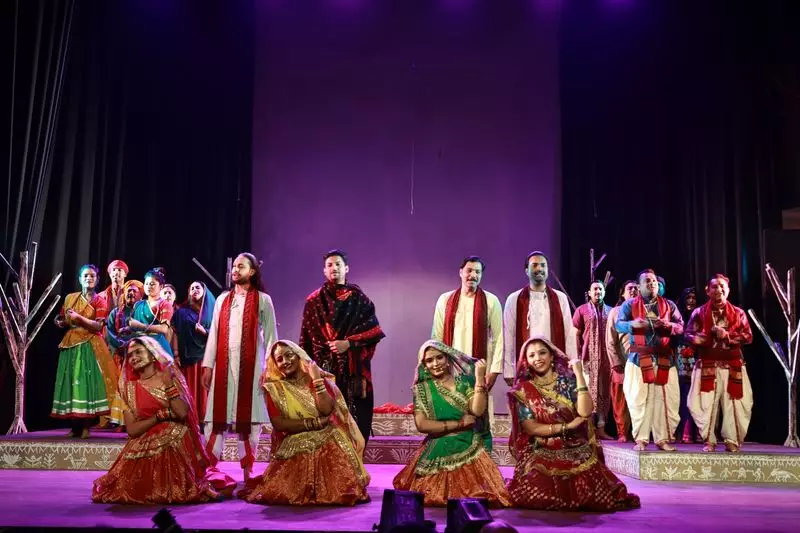
The second day shifted towards the earthy rhythms and timeless narratives of folk theatre with 'Lok Katha Ramayan'. Presented by Rang Saptak under the direction of J.N. Singh, this production delved into the epic tale of Ramayana through a traditional folk lens. It showcased the enduring power of regional performance styles to convey profound mythological and moral stories, connecting a classic narrative to contemporary sensibilities.

Confronting Social Realities on Stage
The festival reached its powerful climax on the final day with 'Court Martial', a gripping play by Swadesh Deepak. Staged by Dramatech and directed by Laxman Rawat, this hard-hitting drama plunged into the tense world of military inquiry and systemic prejudice. The narrative focused on a young soldier named Ram Chander who is subjected to a court martial, unraveling a story that lays bare deep-seated issues of class discrimination and injustice within a structured hierarchy.
This play moved beyond entertainment to provoke serious reflection, challenging the audience to consider the human cost of rigid social structures and biased systems. The performance underscored theatre's vital role as a mirror to society, capable of interrogating uncomfortable truths and sparking necessary dialogue.
A Celebrated Venue for Artistic Dialogue
The choice of venue, the Shri Ram Centre in Mandi House, was particularly fitting. Long revered as a premier hub for the performing arts in Delhi, the centre provided the perfect intimate and acoustically rich setting for these thought-provoking works. The festival successfully transformed this space into a melting pot of ideas, where laughter from the satire, the rustic charm of folk tales, and the tense silence following dramatic conflict all found an equally receptive home.
The three-day event stood as a testament to the health and diversity of Delhi's theatre scene. It demonstrated that contemporary Indian theatre is not confined to a single style or subject but is a vibrant, evolving form that draws from its deep traditional roots to address the here and now. By bringing together satire, folk art, and social commentary, the Winter Theatre Festival offered a complete and compelling picture of the stage's power to reflect, critique, and celebrate the human experience in all its complexity.