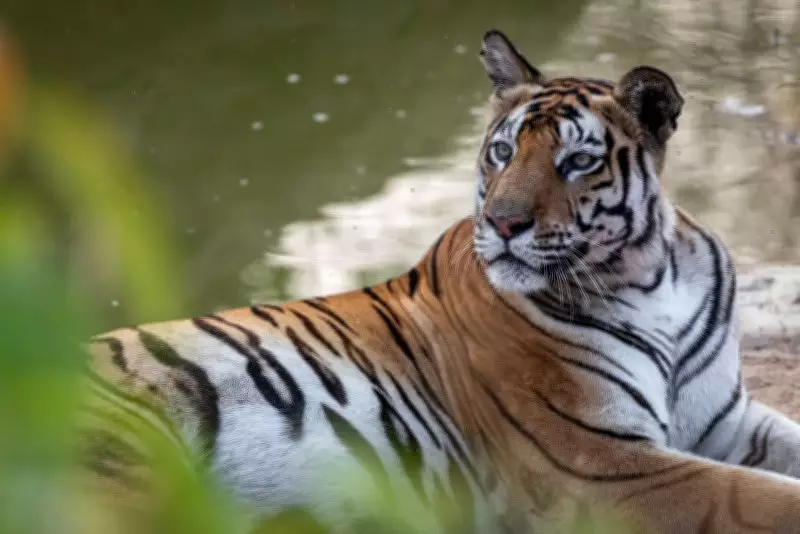
Delhi Zoo Revises White Tigress Transfer Plan After Injury
In a significant development for wildlife management in India, the Delhi Zoo has altered its animal exchange program with Patna Zoo. Originally, a healthy white tigress was scheduled for transfer from Delhi to Patna as part of a conservation and breeding initiative. However, this plan has been revised following an injury to the designated tigress.
Injury Leads to Change in Animal Exchange
The white tigress, a rare and visually striking animal, sustained an injury that made her unfit for the journey and subsequent relocation. Zoo authorities, prioritizing animal welfare, decided to keep her in Delhi for treatment and recovery. This decision underscores the ethical considerations in wildlife transfers, ensuring that animals are not subjected to stress or harm during such processes.
Instead, the Delhi Zoo will now send the injured tigress's sibling to Patna Zoo. This sibling, also a white tiger, has injuries as well, but authorities have assessed that it is in a condition suitable for transfer. The move aims to maintain the collaborative spirit of the exchange while adapting to unforeseen circumstances.

Details of the Revised Transfer
The animal exchange between Delhi and Patna zoos is part of a broader effort to enhance genetic diversity and promote conservation of endangered species. White tigers, a genetic variant of the Bengal tiger, are particularly valued in zoo collections for their rarity and public appeal. By swapping animals, zoos can prevent inbreeding and support healthy populations in captivity.
Key points of the revised plan include:
- Original Tigress: Remains in Delhi Zoo for medical care and observation.
- Replacement: The injured sibling will be transported to Patna Zoo after necessary health clearances.
- Timeline: The transfer is expected to proceed once veterinary approvals are secured, ensuring the animal's safety during transit.
This incident highlights the challenges in wildlife management, where animal health can unpredictably impact conservation strategies. Zoo officials from both Delhi and Patna are coordinating closely to facilitate a smooth transition, with emphasis on minimizing stress for the tiger involved.
Implications for Wildlife Conservation
The adjustment in the transfer plan reflects a proactive approach to animal welfare in Indian zoos. It demonstrates how institutions must balance conservation goals with the immediate needs of individual animals. Such exchanges are crucial for educational and breeding programs, but they require flexibility when health issues arise.
Public and expert reactions have been mixed, with some praising the decision to prioritize the tigress's well-being, while others express concern over sending an injured animal. However, authorities assure that all transfers comply with national and international guidelines for animal care during relocation.
In conclusion, the Delhi Zoo's decision to send an injured sibling instead of the originally planned white tigress to Patna Zoo is a testament to evolving practices in wildlife conservation. It underscores the importance of adaptability and ethical considerations in managing captive animal populations across India.