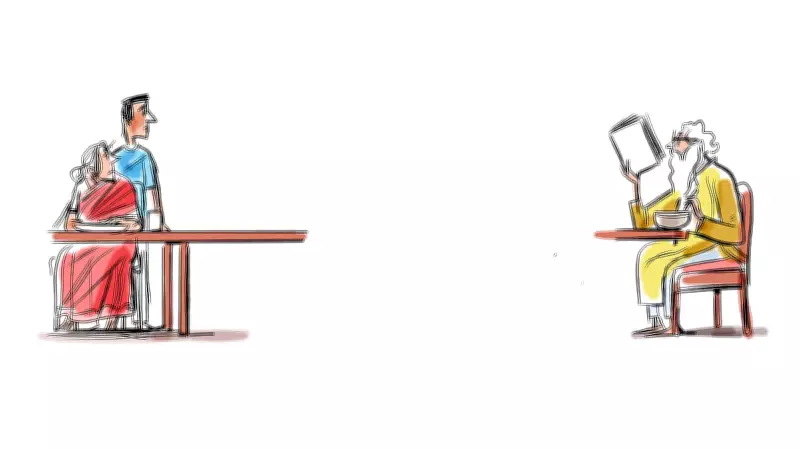
Reform movements have long understood that if you can break the rule of who eats with whom, you strike at the heart of social domination. The dinner table, often seen as a mundane domestic space, is in fact a powerful symbol of hierarchy and inclusion. Across cultures, who sits where, who serves, and who eats first reflect deep-seated gender and caste biases.
The Dinner Table as a Battleground
In many traditional households, women eat last, often after serving the men and children. This practice reinforces the notion that women's needs are secondary. Similarly, in some communities, lower-caste members are not allowed to dine with upper-caste families. These dining norms perpetuate social stratification.
Historical Reform Movements
Historical reform movements, such as those led by Jyotirao Phule and B.R. Ambedkar in India, recognized the dining table as a site of resistance. They advocated for inter-caste dinners and shared meals as acts of defiance against the caste system. The act of eating together was a radical statement of equality.

Gender reformers also targeted dining practices. The women's suffrage movement in the West highlighted how women were excluded from formal dining rooms and political discussions. The demand to sit at the table was both literal and metaphorical.
Contemporary Relevance
Today, the dinner table remains a test case for gender equality. In many homes, women still bear the burden of cooking and cleaning while men relax. The expectation that women should eat last or serve others persists. Challenging these norms can be uncomfortable but is essential for dismantling patriarchy.
Steps Toward Change
- Shared Responsibilities: Encouraging all family members to participate in meal preparation and cleanup.
- Equal Seating: Ensuring that everyone sits together without hierarchy based on gender or age.
- Mindful Conversations: Using dinner time to discuss gender roles and challenge stereotypes.
By rethinking who eats with whom and how meals are conducted, families can model equality for future generations. The dinner table is not just about food; it is about power, respect, and inclusion. It is the ultimate test for challenging patriarchy.