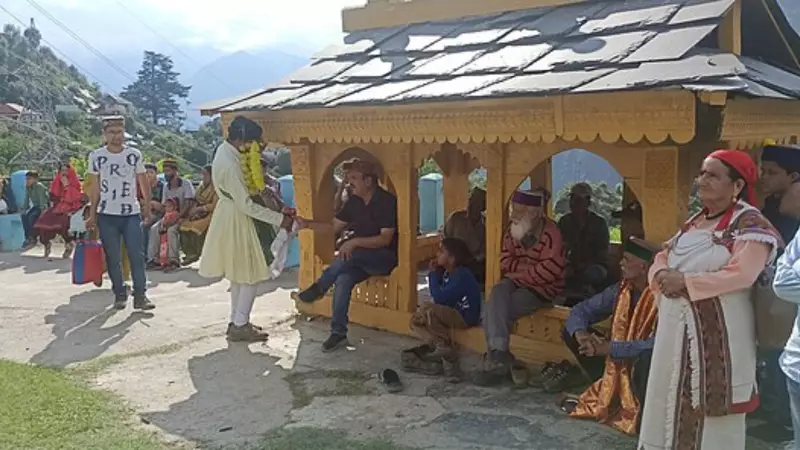
India's festival calendar is a dazzling mosaic of colors, faith, and tradition, extending far beyond the widely celebrated spectacles of Diwali and Holi. Across the country's vast and diverse landscape, countless lesser-known Indian festivals offer a profound glimpse into the unique cultural fabric of local communities. These celebrations, rich in ritual and history, are vital threads in the nation's cultural identity.
A Journey Through Unique Regional Celebrations
From the northeastern hills to the western coast, these festivals mark seasons, harvests, and historical events with distinct local flavors. Their obscurity on the national stage makes them hidden gems for cultural enthusiasts seeking authentic experiences.
One such celebration is the Sazo Kut festival, observed by the Kuki tribes in Manipur and other northeastern states. This post-harvest festival is a heartfelt expression of gratitude. Held typically in January, it sees communities offering the first harvests to the deity "Sazol" or "Sazol Taang." The air fills with the rhythm of traditional dances and music, while homes prepare special feasts, strengthening communal bonds and giving thanks for nature's bounty.

Losar: The Tibetan New Year in the Himalayas
In the high-altitude regions of Ladakh, Sikkim, and parts of Arunachal Pradesh and Himachal Pradesh, the Losar festival heralds the Tibetan New Year. This vibrant celebration, usually falling in December or January based on the lunar calendar, is a multi-day affair. It is marked by ancient rituals, the hoisting of prayer flags, and the performance of the iconic Cham dance by monks. Families clean their homes, prepare special bread called "khapses," and visit monasteries to pray for prosperity and good fortune in the coming year, showcasing a beautiful blend of spirituality and community joy.
Moving to the western state of Gujarat, the Kandali Festival is celebrated by the Kumaoni people of the Pithoragarh district. This unique festival is linked to the flowering of the Kandali plant, a local stinging nettle that blooms once every twelve years. The last celebrated cycle was in 2022. The festival commemorates a legendary battle where women bravely fought off invading enemies using these very plants as weapons. The celebration involves uprooting the Kandali shrubs, performing folk songs and dances, and reenacting the historic valor, turning a natural phenomenon into a powerful cultural narrative.
Honoring Ancestors and Welcoming Spring
In Maharashtra, the Bhil community observes the Kokna festival, a vibrant celebration dedicated to nature and ancestors. Taking place in March-April, it involves worshipping village deities and honoring forefathers. A central ritual includes the symbolic fetching of water in bamboo tubes, representing purity and life. The festival is a burst of color with traditional attire, rhythmic music, and collective dancing, emphasizing harmony with nature and reverence for lineage.
Another significant but less mainstream celebration is Puthandu, the Tamil New Year. Observed in mid-April, it marks the first day of the Tamil calendar month Chithirai. The day begins with viewing an auspicious tray of fruits, flowers, and jewelry, known as "Kanni," for a year of prosperity. Homes are adorned with intricate "kolam" designs, and families share a festive meal featuring a balance of sweet, sour, and bitter flavors, symbolizing the varied experiences of life.
Preserving India's Cultural Mosaic
These unique Indian traditions are more than just local events; they are living museums of history, ecology, and social values. Festivals like Kandali, tied to a twelve-year botanical cycle, or Sazo Kut, rooted in agrarian gratitude, highlight a deep, sustainable connection with the environment. They serve as crucial platforms for passing oral histories, artistic expressions like dance and music, and indigenous knowledge to younger generations.

In an era of globalization, the preservation of these Indian cultural festivals faces challenges. However, increased cultural tourism and digital documentation are helping bring these celebrations to a wider audience. Exploring these lesser-known festivals allows for a deeper understanding of India's incredible diversity, moving beyond the mainstream to appreciate the countless local rhythms that truly define the nation's soul. They remind us that India's cultural wealth lies not only in its grand narratives but also in these intimate, localized expressions of joy, faith, and community.