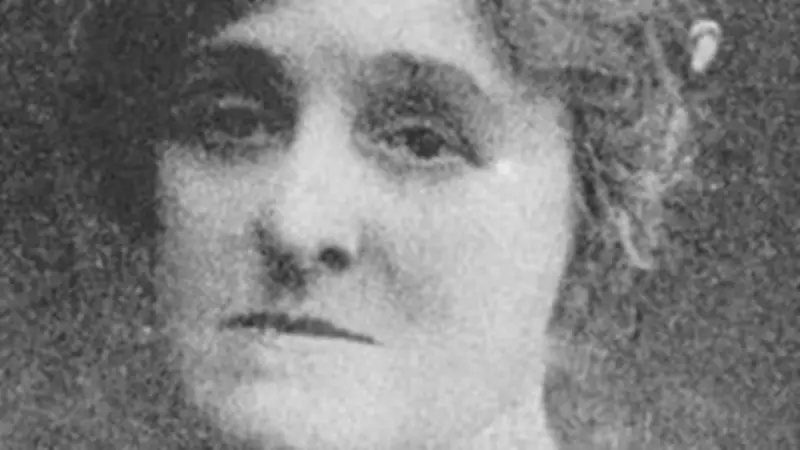
Edith Wharton: The First Woman to Win Pulitzer Prize for Fiction
Edith Wharton, born Edith Newbold Jones on January 24, 1862, in New York City, was a pioneering American novelist and short story writer. She is best known for her insightful portrayals of upper-class society in the Gilded Age, drawing from her own experiences in New York's elite circles. Wharton's literary career spanned several decades, during which she produced numerous acclaimed works that continue to be studied and admired today.
Early Life and Literary Beginnings
Edith Wharton was born into a wealthy and socially prominent family, which provided her with a privileged upbringing but also exposed her to the rigid social conventions of the time. Despite the limitations placed on women of her class, she developed a passion for writing from an early age. Her first major publication was a non-fiction work titled The Decoration of Houses in 1897, co-authored with architect Ogden Codman Jr., which reflected her interest in interior design and architecture.
Wharton's fiction career took off with the publication of her first collection of short stories, The Greater Inclination, in 1899. This was followed by her debut novel, The Valley of Decision, in 1902. However, it was her later works that solidified her reputation as a master of American literature.

Major Works and Literary Achievements
Among Edith Wharton's most celebrated novels are:
- The House of Mirth (1905): This novel explores the tragic downfall of Lily Bart, a young woman navigating New York's high society, and is praised for its sharp social criticism.
- Ethan Frome (1911): A departure from her usual settings, this novella is set in rural New England and is noted for its bleak realism and psychological depth.
- The Age of Innocence (1920): This novel, which won the Pulitzer Prize for Fiction in 1921, examines the conflicts between personal desire and social expectations in 1870s New York.
Wharton's writing is characterized by its keen observation of social manners, detailed descriptions, and exploration of themes such as love, marriage, and the constraints of society. Her ability to critique the very world she inhabited made her a significant voice in American literature.
Historic Pulitzer Prize Win
In 1921, Edith Wharton made history by becoming the first woman to win the Pulitzer Prize for Fiction for her novel The Age of Innocence. This achievement was a landmark moment in literary history, breaking gender barriers and recognizing the contributions of women writers to the canon of American literature. The novel itself is a poignant story of a love triangle set against the backdrop of New York's aristocracy, and it remains one of her most widely read works.
Wharton's Pulitzer win not only honored her individual talent but also paved the way for future generations of female authors. It underscored the importance of diverse voices in literature and challenged the male-dominated literary establishment of the time.
Later Life and Legacy
Edith Wharton continued to write prolifically throughout her life, producing novels, short stories, and non-fiction works. She was also actively involved in charitable efforts during World War I, for which she was awarded the French Legion of Honour. Wharton spent much of her later life in France, where she died on August 11, 1937.
Her legacy endures through her extensive body of work, which includes over 40 books. Wharton is remembered as a trailblazer who used her writing to dissect the complexities of human relationships and societal norms. Today, she is celebrated not only for her literary achievements but also for her role in advancing the status of women in the arts.
In summary, Edith Wharton's life and work represent a significant chapter in American literary history. As the first woman to win the Pulitzer Prize for Fiction, she broke new ground and inspired countless others. Her novels, with their rich characterizations and social insights, continue to resonate with readers around the world, cementing her place as one of the great American writers of the 20th century.