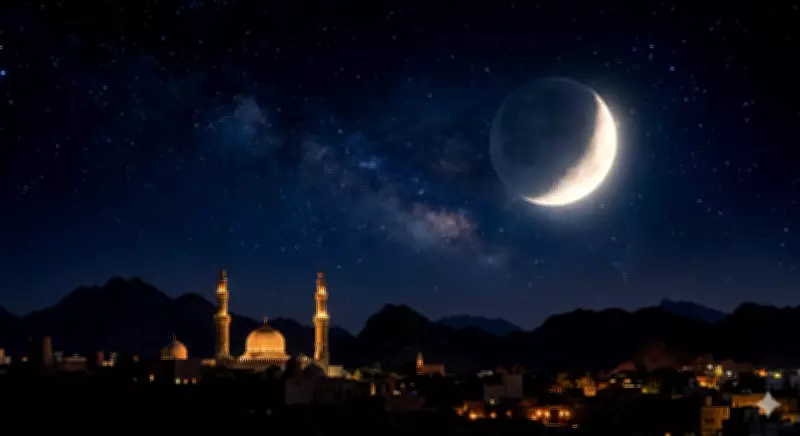
Eid ul-Fitr 2026 Date Officially Announced After Moon Sighting
The long-awaited crescent moon sighting has finally delivered its verdict, bringing clarity to millions of Muslims worldwide. After a tense Wednesday evening where the Shawwal moon remained elusive across most of the Middle East, religious authorities have confirmed that Ramadan will complete its full 30-day cycle this year. This pivotal announcement means that for a vast portion of the global Muslim population, Friday, March 20, 2026, is now officially designated as the day of Eid ul-Fitr celebrations.
Saudi Arabia and GCC Nations Lead Friday Celebrations
In Saudi Arabia, the Supreme Court made the definitive proclamation that since the moon was not sighted on Wednesday, Thursday would serve as the final day of fasting. The grand Eid prayer is scheduled to commence early Friday morning, precisely 15 minutes after sunrise. This decision has triggered a cascade of confirmations across the Gulf Cooperation Council region.
Kuwait, Bahrain, Qatar, and the United Arab Emirates have all unanimously declared March 20 as the first day of Eid. Notably, Bahrain is implementing an extended holiday period; since the official break coincides with Friday and Saturday, the government is adding extra days to ensure ample family time for all citizens and residents.

Global Participation in Friday Festivities
The Friday celebration wave extends far beyond the Arabian Peninsula. A significant number of countries across multiple continents have synchronized their Eid observances with the GCC nations. The comprehensive list includes:
- Middle Eastern Nations: Turkey, Palestine, Yemen, Iraq, Lebanon, and Jordan
- Asian and Pacific Regions: The Maldives and Australia
- African Countries: Sudan, Egypt, Libya, Nigeria, Somalia, Djibouti, and Senegal among numerous others
India, Pakistan, and Bangladesh Await Local Moon Sighting
Meanwhile, in South Asia, the atmosphere remains charged with anticipation. India, Pakistan, and Bangladesh, which traditionally rely on local moon sightings rather than regional announcements, will conduct their observations on Thursday evening, March 19. The outcome will determine their Eid date:
- If the crescent moon is visible in India on Thursday night, celebrations will align with Saudi Arabia on Friday, March 20
- If the sky remains moonless on Thursday, Ramadan will extend to 30 days, pushing Eid observances to Saturday, March 21
In Delhi NCR, astronomers predict the moon will likely be visible between 6:24 PM and 6:58 PM on March 19. Singapore has already preemptively declared Saturday, March 21, as their first day of Eid, while Afghanistan, Niger, and Mali reported early sightings and celebrated on Thursday, March 19.
The Cultural and Economic Impact of Eid Celebrations
Beyond the astronomical determinations, Eid ul-Fitr represents profound cultural and economic significance. In Saudi Arabia, the four-day holiday for the private sector provides crucial respite for businesses and families alike, offering opportunities for rejuvenation and connection. Markets are operating extended hours into the early morning as communities engage in last-minute shopping for festive attire and traditional ingredients for dishes like Sheer Khurma.
Whether observed on Friday or Saturday, the essence of Eid remains universal. It embodies the cherished first morning coffee after fasting, the aromatic scent of perfume in mosques, and the collective joy of communities reuniting after a month of spiritual reflection and discipline. The festival transcends dates, celebrating shared humanity and faith across borders.