

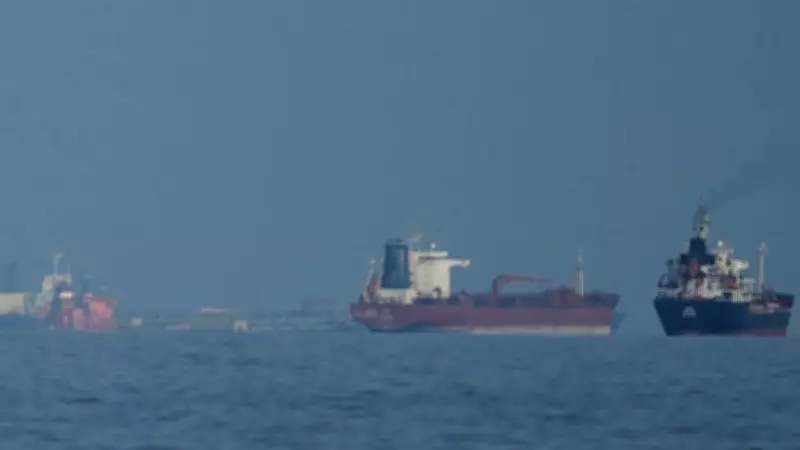
Iran Explores Imposing Transit Fees on Ships in Strait of Hormuz Amid Sanctions Pressure
In a significant move to bolster its economic resilience, Iran is actively considering the imposition of transit fees on commercial vessels navigating the Strait of Hormuz. This strategic waterway, a critical global chokepoint for oil shipments, could become a new revenue stream for Tehran as it grapples with stringent sanctions imposed by the United States and its Western allies.
Strategic Response to Economic Sanctions
The proposed levy system represents a direct countermeasure to the extensive sanctions that have severely impacted Iran's economy, particularly its oil exports and financial transactions. By charging fees for passage through the strait, Iran aims to generate substantial income that could help mitigate the financial strain caused by international restrictions. This initiative underscores Tehran's determination to find innovative ways to sustain its economy in the face of external pressure.
Global Shipping and Trade Implications

The Strait of Hormuz is one of the world's most vital maritime routes, with approximately one-fifth of global oil consumption passing through its narrow waters. Imposing fees here could have far-reaching consequences for international trade, potentially increasing shipping costs and affecting global energy markets. Analysts suggest that such a move might lead to heightened tensions with major oil-consuming nations and shipping companies, who rely on free and unimpeded transit through this key corridor.
Potential Legal and Diplomatic Challenges
Iran's consideration of transit fees is likely to face legal scrutiny under international maritime law, which generally advocates for freedom of navigation in such strategic passages. The United Nations Convention on the Law of the Sea (UNCLOS) provides guidelines on transit passage, and any unilateral imposition of fees could spark diplomatic disputes. This development adds another layer of complexity to the already strained relations between Iran and Western powers, particularly the United States.
Regional Security Concerns
Beyond economic aspects, the proposal raises significant security concerns in the volatile Middle East region. The Strait of Hormuz has been a flashpoint for conflicts, and introducing fees might escalate existing tensions, potentially leading to disruptions in maritime traffic. Neighboring countries and international stakeholders are closely monitoring the situation, wary of any actions that could destabilize this crucial trade route.
Future Outlook and International Reactions
As Iran mulls this strategy, the international community is expected to respond with caution. Key players, including the United States, European Union, and Gulf states, may issue statements or consider countermeasures to protect their economic interests. The success of Iran's plan will depend on its ability to implement the fees without triggering widespread opposition or retaliatory actions that could further isolate its economy.
In summary, Iran's exploration of transit fees for ships in the Strait of Hormuz marks a bold attempt to navigate the challenges posed by US-led sanctions. While it offers a potential financial lifeline, it also introduces new risks to global trade and regional stability, setting the stage for a complex interplay of economic, legal, and diplomatic factors in the coming months.






