Ekta Kaul's Stitched Stories: How Embroidery Maps Identity and Memory
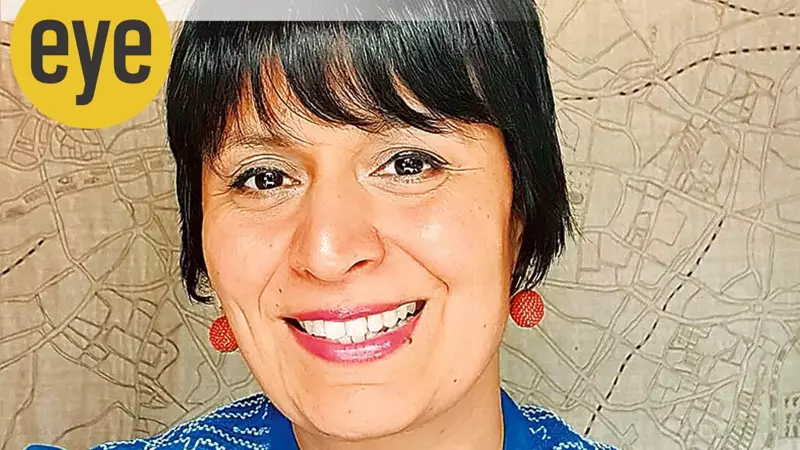
For London-based textile artist Ekta Kaul, a needle and thread do more than join fabric. They weave together identity, memory, and a deep sense of belonging. Her artistic journey transforms simple stitches into powerful narratives of home and heritage.
From Personal Struggle to Artistic Expression
Between 2007 and 2008, Kaul faced a difficult period. She shuttled frequently between Delhi and London to care for her ailing mother. This constant travel sparked profound questions in her mind. She wondered why she stayed in one country while her mother suffered in another. Kaul also questioned whether home could exist in a different nation that offered potential belonging.
These internal conflicts found beautiful external expression through her art. Kaul began creating cartographic embroideries. She carefully trailed streets and buildings on maps of both Delhi and London with her needle and thread. Through drawing and stitching, she discovered familiarity in the new city. The process became cathartic, allowing her to relive cherished memories.

Recognition for Kantha Tradition
Last month, Kaul received significant recognition for her work preserving textile heritage. Her book Kantha: Sustainable Textiles and Mindful Making earned a shortlist position for the RL Shep Memorial Book Award. The Textile Society of America presents this award to honor the best book in global cultural heritage textile studies.
Kaul's connection to Kantha embroidery runs deep through family tradition. Her mother passed down this legacy from Kaul's grandmother, who lived in Kolkata. This personal history fuels her dedication to the craft.
Challenging Artistic Hierarchies
Kaul holds strong views about textile art's place in the creative world. She notes that arts traditionally practiced by women often get relegated to the "craft" category. During the Renaissance period, all arts received equal consideration whether they were tapestries, murals, or woodwork.
"Then the Industrial Revolution happened," Kaul explains. "Capitalist men privileged machine-made and faster-made products. The handmade became a 'cottage' industry. In my view, textile should definitely be considered art. We should be challenging these hierarchies."
She cites German-Jewish artist Anni Albers as inspiration. Albers influenced generations of artists and became the first textile artist to have a solo exhibition at New York's Museum of Modern Art in the 1940s.
Mapping Cities Through Stitch
Kaul's artistic practice involves meticulous observation and translation of urban landscapes. Her London Story Map features cartographic thread drawings in black stitch that wind through the city. The embroidery marks rivers, fields, and gardens with delicate precision.
For another significant work titled Mumbai: A Sense of Place, Kaul approached the city differently. This commissioned piece for the Morgan Stanley Collection prompted her to ask: "How do you experience the city through your five senses? What are the visuals, the sounds, the fragrances and my own memories of it?"
The resulting artwork stands nearly 3.5 meters tall. It captures Mumbai's essence through teal ocean hues and red sunset tones. Kaul connects dots of Mumbai's hidden relationships in this work. She reveals the city's mercantile history, architecture, and markets through mindful detailing.
Artistic Philosophy and Background
Kaul's creative process often begins with simple walks. She gathers sycamore tree leaves to weave into linen canvas. Other times, she unpacks connections that people often forget. This sense of order and arrangement traces back to her childhood.
Her mother worked as an entomologist while her father pursued science. They instilled in Kaul a sense of wonder, storytelling ability, and appreciation for slowness. These qualities now inform her textile explorations of "places, history and belonging."
While her early works favored monochromatic schemes, recent creations incorporate dashes of color. Her stitches record not just physical landscapes but emotional terrains. Like maps that communicate through lines, hues, textures, and empty spaces, Kaul's embroidery charts territories of mind and feeling.

Professional Achievements and Outreach
Kaul's works have earned placement in prestigious collections across the United Kingdom. The Victoria and Albert Museum in London counts among institutions holding her pieces. She has received numerous awards throughout her career.
Beyond creating art, Kaul shares her knowledge through educational activities. She conducts workshops at her studio in Cockpit Arts, Bloomsbury. She also teaches in local schools, passing textile traditions to new generations.
Through needle and thread, Ekta Kaul continues stitching stories that transcend geography. Her art maps the complex terrain of human connection across continents and cultures.