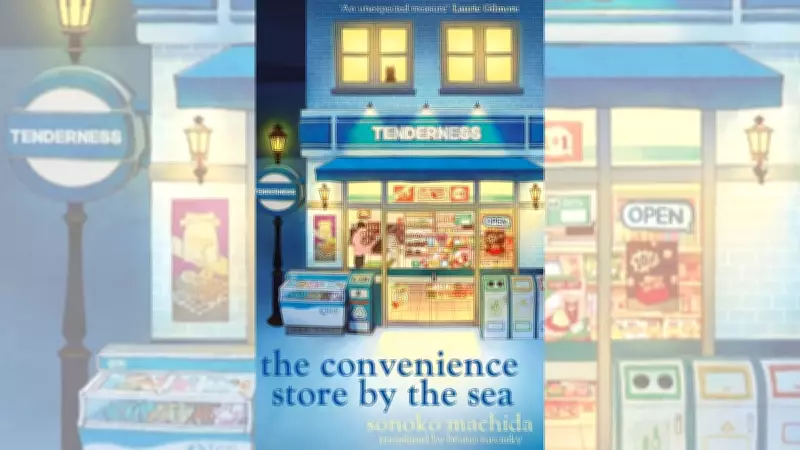
The allure of Japan has long captivated the global imagination, from its serene temples to its vibrant pop culture. This phenomenon, often termed the 'Japan effect,' is explored in depth in a recent article that delves into how Japanese aesthetics, philosophy, and storytelling have influenced the world.
The Cultural Resonance of Japan
Japan's cultural exports, such as anime, manga, and traditional arts like tea ceremonies and ikebana, have found devoted audiences worldwide. The article highlights how these elements are not just consumed but integrated into local cultures, creating a unique fusion. For instance, the minimalist design principles of Japanese architecture have inspired modern homes in the West, while the concept of 'wabi-sabi'—finding beauty in imperfection—has become a lifestyle trend.
Literary Contributions
Japanese literature, from classic works like 'The Tale of Genji' to contemporary novels by Haruki Murakami, has also left a significant mark. The article notes that Murakami's surreal narratives resonate globally, offering a lens into Japanese psyche while addressing universal themes of loneliness and identity. Similarly, the poetic form of haiku has influenced poets across continents, encouraging brevity and depth in expression.

Global Influence and Adaptation
The Japan effect is not one-sided; it involves a dynamic exchange. The article points out how Japanese creators draw from global influences, creating a feedback loop that enriches both Japanese and international art. For example, the film 'Spirited Away' by Hayao Miyazaki incorporates Western fairy tale elements while remaining distinctly Japanese. This cross-pollination is evident in fashion, where designers like Yohji Yamamoto blend Japanese draping with Western tailoring.
Challenges and Criticisms
However, the article also addresses criticisms of cultural appropriation and stereotyping. As Japan's influence grows, there is a risk of oversimplifying its culture. The piece emphasizes the importance of nuanced understanding, urging consumers to appreciate the depth behind the aesthetics. It calls for respectful engagement rather than superficial adoption.
Conclusion
In conclusion, the Japan effect is a testament to the power of cultural exchange. By embracing Japanese art, literature, and philosophy, the world gains not only new perspectives but also tools for self-reflection. As the article suggests, falling for the Japan effect is about more than just admiration—it's about a deeper connection to a culture that values harmony, transience, and the beauty of the ordinary.