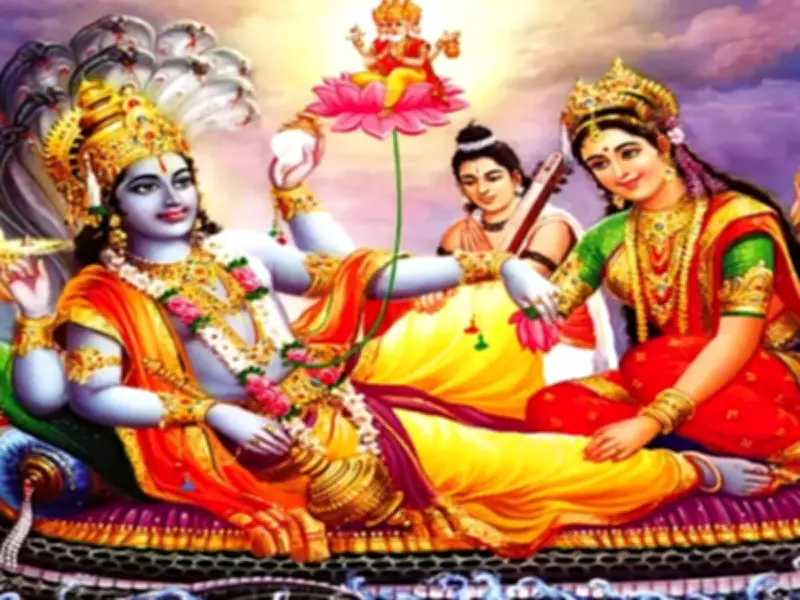
Ekadashi: The Sacred Day of Lord Vishnu Worship
Ekadashi stands as one of the most auspicious and spiritually significant days in the Hindu religion. This sacred occasion is wholly dedicated to the worship of Lord Vishnu, with devotees expressing their devotion through rigorous fasting and heartfelt prayers. The observance occurs twice each month, aligning with the shukla paksha (waxing phase) and krishna paksha (waning phase) of the lunar calendar, resulting in 24 Ekadashi observances throughout the year.
February 2026 Ekadashi: Dates and Timings
In February 2026, devotees will observe two important Ekadashi days: Vijaya Ekadashi and Amalaki Ekadashi. These dates hold particular significance for followers seeking divine blessings.
Vijaya Ekadashi 2026:

- Ekadashi Tithi Begins: February 12, 2026 - 12:22 PM
- Ekadashi Tithi Ends: February 13, 2026 - 02:25 PM
- Parana Time: February 14, 2026 - 07:00 AM to 09:14 AM
- Parana Day Dwadashi End Moment: February 14, 2026 - 04:01 PM
Amalaki Ekadashi 2026:
- Ekadashi Tithi Begins: February 27, 2026 - 12:33 AM
- Ekadashi Tithi Ends: February 27, 2026 - 10:32 PM
- Parana Time: February 28, 2026 - 06:47 AM to 09:06 AM
- Parana Day Dwadashi End Moment: February 28, 2026 - 08:43 PM
The Profound Significance of Ekadashi Observance
Ekadashi is revered as an exceptionally sacred day within Hindu tradition, carrying deep religious and spiritual importance. Devotees undertake rigorous fasting from the beginning of Ekadashi tithi until the Dwadashi tithi, breaking their fast during the designated parana time. This specific timing for breaking the fast is considered crucial for completing the observance properly.
The spiritual benefits of observing Ekadashi with sincere devotion are believed to be substantial. Followers who maintain pure dedication during their fast may receive blessings from Lord Vishnu that encompass happiness, wealth, health, and worldly pleasures. The fast itself is considered so spiritually potent that it can purify the observer and guide them toward greater spirituality.
Many believe that consistent observance of Ekadashi fasts can lead to liberation from the cycle of birth and death, potentially granting devotees a place in Vaikuntha dham, the divine abode of Lord Vishnu. This makes the practice particularly meaningful for those seeking spiritual advancement and ultimate salvation.
Essential Puja Rituals for Ekadashi Observance
Proper observance of Ekadashi involves specific rituals that enhance the spiritual experience:
- Begin by waking early in the morning and taking a holy bath to purify yourself.
- Thoroughly clean your home, with special attention to the puja room or area.
- If you have idols of Lord Vishnu, Lord Krishna, or Laddoo Gopal Ji at home, give them a ceremonial bath.
- Adorn these deities with beautiful clothes, apply tilak, and decorate them with fresh garlands.
- Place the idols on a wooden plank along with a Shree Yantra, which symbolizes Goddess Lakshmi.
- Light a diya using desi ghee before the idols and take a sankalp (vow) to observe the Ekadashi fast with complete devotion.
- Chant sacred mantras such as "Om Namo Bhagavate Vasudevaye" and the Shree Krishna maha mantra 108 times each.
- Offer panchamrit and tuls dal to the deities while seeking their blessings.
- In the evening, offer prayers to Lord Vishnu and perform the aarti ceremony.
- Those who cannot endure complete fasting may consume fruits and milk products in the evening, breaking their fast properly the next day during the parana time.
Important Note: Observers should strictly adhere to the parana time for breaking their fast. If this window is missed, the fast should be broken only after the madhyahna period has passed. Maintaining a sattvik lifestyle during Ekadashi is considered essential for maximizing the spiritual benefits of this sacred observance.