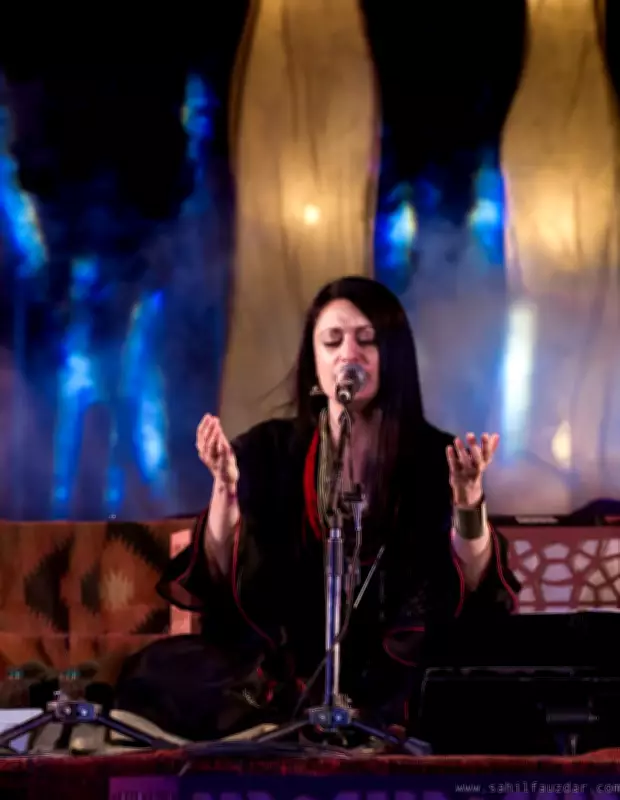
Music has long been recognized as a powerful medium for spiritual expression and connection. Across cultures and centuries, melodies and rhythms have served as bridges between the earthly and the divine, offering listeners a glimpse of transcendence. This article delves into how music can become a pathway to experiencing the sacred, whether through devotional songs, classical compositions, or contemporary spiritual anthems.
The Universal Language of the Soul
Music is often described as a universal language that transcends barriers of language, culture, and geography. When words fail, music speaks directly to the soul. From the chanting of monks in ancient monasteries to the soul-stirring qawwalis of Sufi saints, musical traditions around the world have used sound to evoke a sense of the divine. The vibrations of certain notes and rhythms can induce meditative states, allowing individuals to feel a connection to something greater than themselves.
Historical Perspectives on Sacred Music
Throughout history, various religious and spiritual traditions have incorporated music into their practices. In Hinduism, the chanting of mantras and bhajans is believed to purify the mind and invoke divine energies. Similarly, in Christianity, hymns and Gregorian chants are used to elevate worship and create a sacred atmosphere. Islamic Sufism uses music and dance, such as the whirling of dervishes, to achieve spiritual ecstasy. These examples illustrate that music is not merely an art form but a tool for spiritual transformation.

The Science Behind Music and Spirituality
Modern science has begun to uncover the neurological and psychological effects of music on the human brain. Studies show that listening to music releases dopamine, a neurotransmitter associated with pleasure and reward. Additionally, certain types of music can synchronize brainwaves, leading to altered states of consciousness similar to those achieved through meditation. This scientific understanding complements the spiritual belief that music can elevate the mind and connect it to higher realms.
Personal Experiences of the Divine Through Music
For many individuals, music has been a catalyst for profound spiritual experiences. Whether attending a live concert of devotional music or listening to a favorite piece in solitude, people often report feelings of peace, joy, and unity. These moments can be deeply personal and transformative, reinforcing the idea that music is a powerful vehicle for encountering the divine.
Practical Ways to Incorporate Sacred Music into Daily Life
Integrating music into one's spiritual practice can be simple and rewarding. Here are some suggestions:
- Start the day with a calming instrumental piece or a mantra to set a positive tone.
- Use music during meditation or yoga to deepen focus and relaxation.
- Attend live performances of devotional music to experience communal spirituality.
- Create playlists of songs that evoke a sense of peace and connection.
By consciously choosing music that resonates with the soul, individuals can create a personal soundtrack for their spiritual journey.
Conclusion: The Eternal Resonance
Music remains an eternal companion on the path to the divine. Its ability to bypass the intellect and speak directly to the heart makes it an invaluable tool for spiritual seekers. As the great musician and composer Ludwig van Beethoven once said, "Music is the mediator between the spiritual and the sensual life." In embracing music as a form of prayer or meditation, we open ourselves to the infinite possibilities of connection and transformation.