French Legacy in Lucknow: How Two Europeans Shaped Awadh's Military and Cultural Landscape
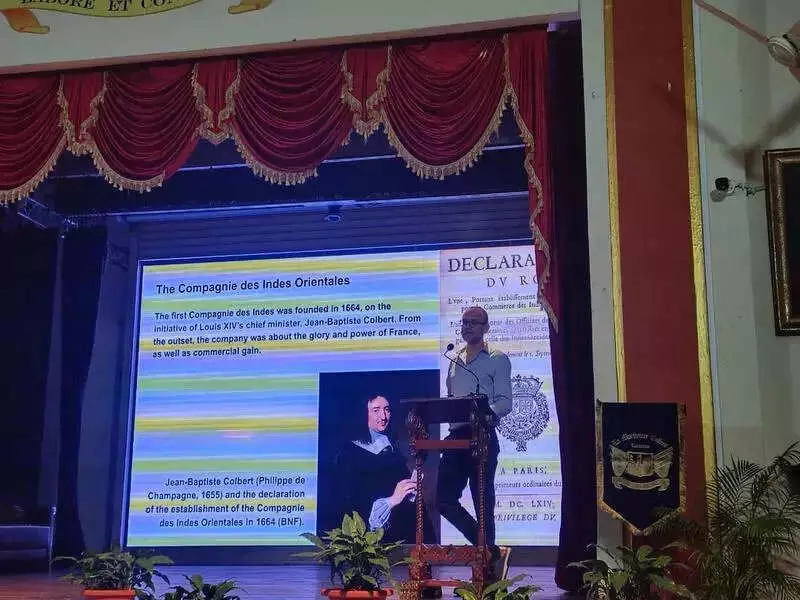
The rich tapestry of Lucknow's history reveals fascinating traces of French influence through two remarkable European figures who left an indelible mark on the region during the 18th century. A recent discussion titled 'Forgotten History of French Imperialism' at La Martiniere Boys' College brought renewed attention to these often-overlooked contributions that helped shape both military strategy and cultural life in Awadh.
Jean Baptiste Joseph Gentil: The Military Modernizer
Jean Baptiste Joseph Gentil emerged as a pivotal French military officer who entered the service of the Nawab of Awadh during a period of intense Anglo-French rivalry. His expertise proved instrumental in transforming Awadhi forces through systematic modernization efforts. Gentil introduced European-style artillery techniques, implemented structured infantry drills, and established disciplined regimental frameworks that significantly enhanced the region's military capabilities.
Robert Ivermee, a noted historian specializing in European colonialism in South Asia, emphasized Gentil's lasting impact: "Gentil helped reorganize Awadhi forces along European lines, leaving a lasting impact on the region's military practices that extended well beyond his immediate service period." This military restructuring represented a crucial adaptation of European warfare methods to the local context, creating a hybrid approach that served Awadh for decades.

Antoine Louis Henri Polier: The Cultural Bridge-Builder
Antoine Louis Henri Polier, a Swiss-born officer with strong French associations, served as both a military engineer and court official under Nawab Asaf-ud-Daulah. His contributions extended far beyond military matters into the intellectual and artistic spheres of Lucknow's cultural life. Polier actively collected Persian manuscripts, commissioned significant artworks, and contributed to architectural developments that enriched the region's built heritage.
Ivermee further noted: "Polier's contributions to architecture and cultural life in Lucknow demonstrate that French influence went beyond military matters and reached into the intellectual and cultural spheres of Awadh. His life exemplified a remarkable synthesis of European knowledge with Indo-Persian cultural traditions." This cultural bridge-building created lasting connections between European Enlightenment ideas and the sophisticated court culture of Awadh.
Rediscovering a Forgotten Chapter
The Tuesday talk at La Martiniere Boys' College, which also featured former IAS officer Zohra Chatterji among attendees, highlighted how these European figures operated within the complex political landscape of 18th-century India. Their stories reveal:
- The strategic importance of European military expertise during colonial rivalries
- The cultural exchange that occurred beyond formal colonial structures
- The lasting architectural and artistic legacies that still influence Lucknow today
- The sophisticated diplomatic relationships between Indian rulers and European specialists
This historical examination provides valuable insights into how external influences were adapted and integrated into local contexts, creating unique hybrid traditions that continue to define Lucknow's identity. The discussion emphasized that French influence in Awadh was multifaceted, encompassing both practical military innovations and sophisticated cultural contributions that enriched the region's heritage.