From Salsa to Sambar: A Culinary Journey of Rediscovery
In a world increasingly dominated by globalized tastes and fast-paced lifestyles, many individuals find themselves navigating a complex landscape of culinary choices. This journey often begins with an exploration of international flavors, such as the vibrant and zesty salsa from Mexican cuisine, which captivates with its fresh ingredients and bold spices. However, for some, this initial fascination with exotic dishes eventually gives way to a profound reconnection with traditional foods, like the comforting and aromatic sambar from South Indian kitchens.
The Allure of Global Flavors
Initially, the appeal of dishes like salsa lies in their novelty and the sense of adventure they offer. Salsa, with its combination of tomatoes, onions, cilantro, and chili peppers, represents a burst of flavor that can feel exciting and modern. It often becomes a staple in diets influenced by global food trends, symbolizing a break from routine and an embrace of diverse cultures. This phase is marked by experimentation, where individuals eagerly try new recipes and ingredients, expanding their palates beyond familiar boundaries.
The Turning Point: Craving Comfort
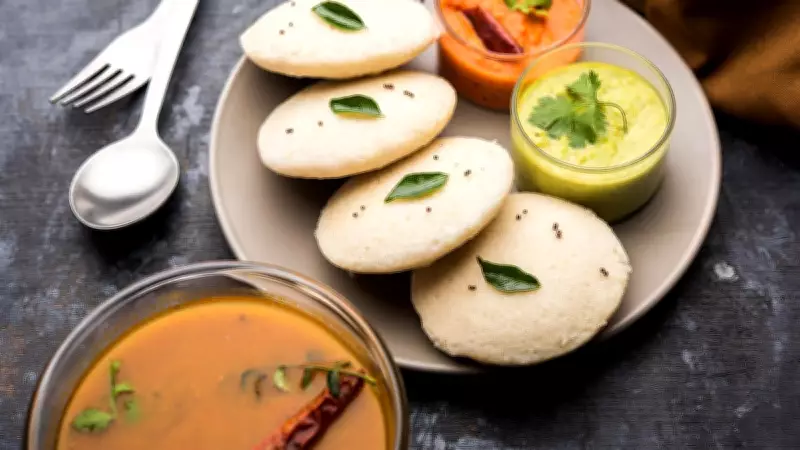
Over time, however, the constant pursuit of novelty can lead to a sense of culinary fatigue. As life's challenges mount or as one spends extended periods away from home, there emerges a deep-seated longing for foods that evoke memories and provide emotional solace. This is where traditional dishes like sambar come into play. Sambar, a lentil-based stew infused with tamarind, vegetables, and a blend of spices, is more than just a meal; it is a symbol of heritage, family, and belonging.

The process of preparing sambar often involves time-honored techniques passed down through generations, creating a connection to one's roots that is both tangible and heartfelt. The aroma of sambar cooking can transport individuals back to childhood kitchens, evoking feelings of warmth and security that are hard to replicate with foreign cuisines.
Rediscovering Identity Through Food
This shift from salsa to sambar is not merely about changing dietary preferences; it reflects a broader journey of self-discovery and cultural reaffirmation. In an era where identity can feel fragmented by global influences, returning to traditional foods serves as an anchor, grounding individuals in their cultural heritage. Sambar, with its rich history and regional variations, becomes a medium through which people reconnect with their ancestry and community values.
Moreover, this culinary transition highlights the importance of balance in modern life. While global flavors like salsa continue to have their place, integrating them with traditional staples like sambar can create a harmonious diet that celebrates both innovation and tradition. It encourages a mindful approach to eating, where food is not just sustenance but a reflection of personal and collective identity.
Embracing the Journey Home
Ultimately, the path from salsa to sambar is a testament to the enduring power of home and tradition. It underscores how food can be a powerful tool for navigating the complexities of contemporary existence, offering comfort and continuity in times of change. By embracing both the excitement of global cuisines and the familiarity of traditional dishes, individuals can craft a culinary narrative that is uniquely their own, enriched by diverse experiences yet rooted in cherished memories.
In conclusion, this journey reminds us that while the world may offer endless culinary adventures, there is unparalleled value in returning to the flavors that define who we are. Sambar, in its humble yet profound way, represents not just a dish but a homecoming—a rediscovery of self through the simple, enduring pleasures of food.