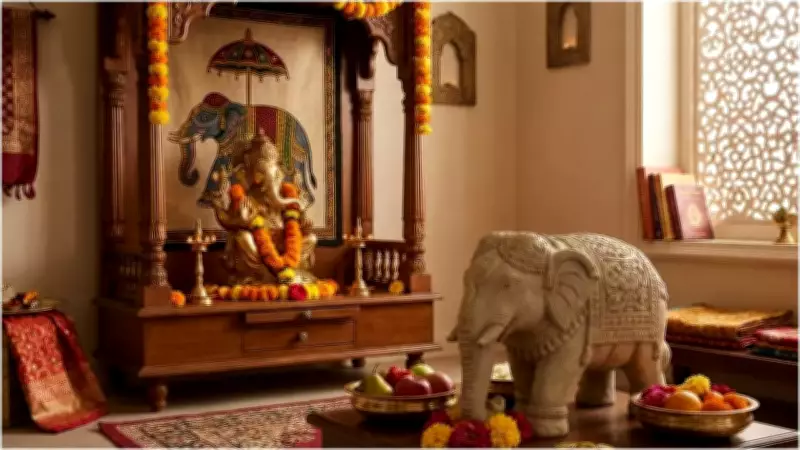
The Profound Symbolism of Lord Ganesha's Elephant Form in Hinduism
In the rich tapestry of Hindu tradition, Lord Ganesha stands as a uniquely iconic and deeply revered deity. Recognizable by his distinctive elephant head, Ganesha is celebrated as the remover of obstacles, the patron of wisdom, the harbinger of prosperity, and the deity who blesses new beginnings. His form is not merely an artistic or mythological creation but embodies profound spiritual insights and philosophical depth that resonate across generations.
The Mythological Origins of Ganesha's Elephant Head
According to ancient Hindu scriptures and legends, Lord Ganesha is the beloved son of Goddess Parvati and Lord Shiva. A popular narrative recounts how Parvati fashioned Ganesha from turmeric paste to serve as her guardian while she bathed. When Lord Shiva, unaware of the boy's identity, attempted to enter, he was obstructed by Ganesha. Enraged by this defiance, Shiva severed the child's head. To console the grief-stricken Parvati, Shiva revived Ganesha by attaching the head of the first living creature he encountered—an elephant—to the boy's body, thus granting him a new life and form.
Symbolic Attributes of the Elephant in Ganesha's Form
Elephants are renowned in nature for their exceptional intelligence, remarkable memory, immense physical strength, and gentle demeanor. These qualities align seamlessly with the divine attributes of Lord Ganesha, who embodies both formidable power and boundless compassion. The elephant form is laden with symbolic meanings that offer spiritual guidance:

- Wisdom and Intellect: Ganesha's large head symbolizes vast wisdom, while his eyes represent keen perception and awareness of the world.
- Listening and Learning: His large ears emphasize the importance of attentive listening and absorbing knowledge.
- Adaptability and Resilience: The long trunk signifies flexibility, the ability to navigate challenges, and the power to overcome obstacles with grace.
Benefits of Placing Ganesha or Elephant Idols in Homes
Incorporating an elephant or Ganesha idol in residential spaces is believed to bestow numerous spiritual and practical advantages, positively influencing both mental well-being and material success.
Removing Obstacles and Ensuring Progress
Lord Ganesha is traditionally invoked at the commencement of any significant undertaking. Thus, placing his idol is thought to eliminate hindrances, facilitating smooth advancement in personal endeavors and professional pursuits.
Attracting Prosperity and Success
Elephants are naturally associated with abundance and financial fortune. In practices like Vastu Shastra and Feng Shui, elephant idols are considered powerful conduits for attracting positive energy, wealth, and overall achievement.
Enhancing Wisdom and Mental Clarity
The elephant symbol is intrinsically linked to intelligence, memory retention, and sound judgment. Many individuals position a Ganesha idol in study areas or workplaces to boost concentration, sharpen cognitive abilities, and foster intellectual growth.
Providing Protection and Harmony
Elephants are perceived as protective guardians. Placing their symbol near a home's entrance is believed to shield the dwelling from negative influences and promote a harmonious, peaceful atmosphere.
Cultivating Peace and Emotional Balance
The elephant's calm and composed nature epitomizes emotional stability. A Ganesha idol can help create a serene spiritual environment, alleviating stress and nurturing inner tranquility.
Placement Guidelines and Beliefs
For optimal benefits, a Ganesha idol is typically placed in the northeast or east corner of a home. Elephant figures facing inward are thought to invite good fortune, while those facing outward are believed to repel negative energy, offering protection.
A Universal Symbol Beyond Religious Boundaries
While deeply rooted in Hindu tradition, the elephant symbol transcends religious confines, resonating universally as an emblem of wisdom, patience, strength, and auspiciousness. Its appeal lies in its ability to inspire and guide individuals across diverse cultural and spiritual landscapes.