Kumaon's Ghughutia Festival Shows Cultural Diversity Across Saryu River
The vibrant folk festival of Ghughutia in Kumaon continues to display a fascinating cultural pattern. Communities on either side of the Saryu River observe this festival on different days, maintaining traditions passed down through generations.
Different Dates for Different Banks
On the northeastern side of the Saryu River, covering the Sore Valley of Pithoragarh, Champawat and parts of Bageshwar, people celebrated Ghughutia on Tuesday. This date marked the last day of the Paush month in the Hindu calendar.
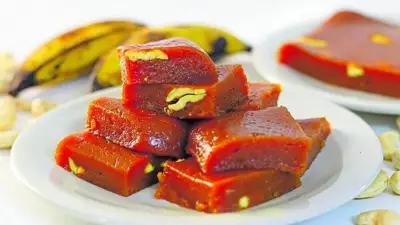
Residents prepared ghuguti, a traditional delicacy, to offer to crows on Wednesday. This offering happened on the first day of Magh month. Local folklore holds a special belief about crows. People regard these birds as messengers sent by ancestors.

Meanwhile, on the southern bank of the Saryu River, celebrations followed a different schedule. In Almora, Ranikhet, Nainital and across much of Kumaon, Ghughutia is being celebrated on Wednesday. Here, people prepare ghuguti on the first day of Magh and offer it to crows the following day.
Children, Crows and Ancestral Connections
Ghughutia maintains strong associations with children, crows and ancestral remembrance. During the festival, children string ghuguti into colorful garlands. They then offer these garlands to crows as part of traditional rituals.
Many villages preserve an interesting explanation for the differing dates. Communities believe that people on either bank of the river remember their forefathers on different days. This tradition has been cited for generations to explain the calendar variations.
Eleven-year-old Naman shared his experience. "My mother makes garlands of ghughuti on the day of the festival," he said. "On Makar Sankranti we go up to the rooftop and call the crows with other children."
Solar Transitions and Harvest Beginnings
The festival marks an important astronomical transition. It celebrates the sun's movement from Dakshinayan to Uttarayan. This shift signals the start of the harvest season in the region.
Retired teacher Charan Singh Baghri, a Bageshwar resident, explained the historical context. "The calculation of solar transitions and festivals was different on this side of the Saryu and across it," he said. "That is why Ghughutia was observed on different dates."
Baghri emphasized an important distinction about this variation. He noted that the difference was social rather than religious. Communities have naturally accepted this diversity for generations.
Visible Contrasts in Bageshwar
The contrast becomes particularly visible in Bageshwar district. Here, the Saryu River meets the Gomti River. Villages located just a few kilometres apart observe Ghughutia and Uttarayani on different days.
Each community follows inherited customs without conflict. The river confluence has long served as a space for cultural dialogue. Diverse traditions coexist peacefully in this region.
Changing Patterns and Urban Influences
While Ghughutia continues to be celebrated across many regions, changing demographics have affected traditions. Migration and rapid urbanisation have reduced village populations significantly.
Fewer children remain in many villages to participate in traditional celebrations. In several areas, Ghughutia has gradually transformed. The festival has shifted from a vibrant celebration to a ritual observed more out of formality than genuine festivity.
Despite these changes, the core tradition persists. Communities on both sides of the Saryu River continue to honor their distinct calendars. They maintain connections with ancestors through this unique folk festival that bridges generations.