Grooms Stake Claim to Palanquin Tradition in Coastal Odisha
In a charming cultural revival, the coastal district of Kendrapada in Odisha is witnessing grooms reclaiming the traditional palanquin ride for their wedding processions. This shift challenges the outdated stereotype that palanquins are reserved solely for brides and queens, marking a nostalgic return to old-style ceremonies.
Modern Grooms Opt for Traditional Transport
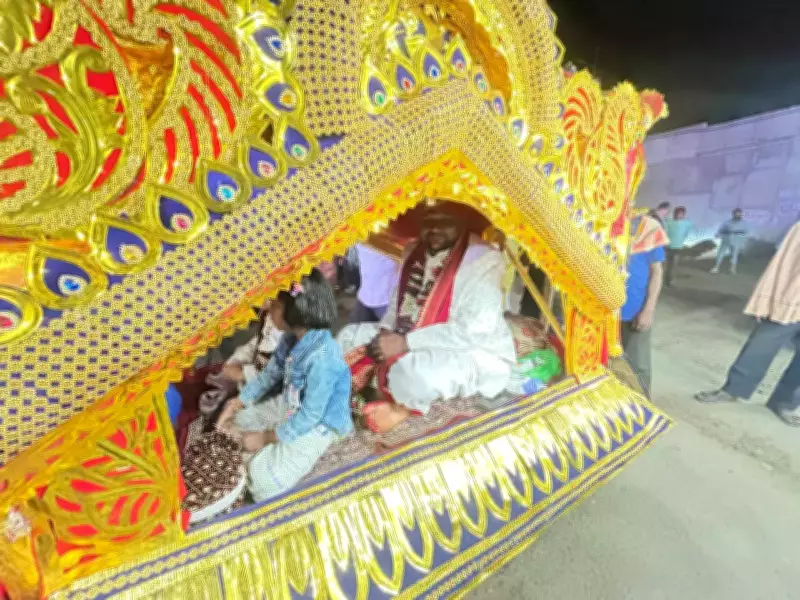
Satya Ranjan Sahoo, a 30-year-old groom from Kendrapada town, recently experienced this tradition firsthand. He traveled 75 kilometers to Bishnupur village, completing the final 2 kilometers of his journey in a beautifully decorated palanquin. "I sat in the palanquin to reach the marriage venue in a procession, carried by four bearers," Sahoo recounted. The service cost Rs 5,000 for the palanquin hire, with each bearer receiving Rs 1,500 as a fee.
The modern-day palanquin remains true to its roots—crafted from wood and adorned with flowers and velvet upholstery. This revival comes after a decline three to four decades ago, when the availability of cars and improved village roads led many grooms to opt for automotive transport.

High Demand and Economic Impact
Local tent house agencies are reporting a surge in demand for decorative palanquins. Randhir Rout, who runs such an agency in Kendrapada, noted, "Many parents now prefer palanquin rides for their sons' marriage processions. I have four palanquins to meet the huge demand during the marriage season."
Paresh Mallick, another tent house owner, attributes this trend to a growing preference for traditional weddings, influenced by old Hindi films and television serials. "This ancient tradition has made a comeback," he said, highlighting the cultural impact of media portrayals.
The economic aspect is significant, with families investing in palanquins for one-time use. One tent house owner purchased a palanquin for Rs 45,000 from a carpenter and repaired two others, though sourcing good horses and horsemen for carriages remains a challenge. Orders have already been placed by around eight families for the current marriage season.
Artisanal Craftsmanship and Personal Sentiments
Crafting palanquins requires specialized skills, with few carpenters remaining competent in this art. Narendra Moharana, a carpenter from Kendrapada, learned the trade from his father and recently made two palanquins for Rs 80,000. "I charge based on the intricacy of the work," he explained, underscoring the craftsmanship involved.
For grooms like Rajiv Rout, 28, who recently rode a palanquin during his wedding, the experience is a once-in-a-lifetime opportunity. "We often ride motor cars, but one should ride a palanquin while getting married," he said, reflecting a personal connection to tradition.
The expenditure on a palanquin ride varies with the distance covered, making it a customizable aspect of wedding celebrations. This trend not only enriches cultural heritage but also supports local artisans and businesses, fostering community engagement.
As Kendrapada embraces this blend of old and new, the palanquin tradition symbolizes a broader movement toward preserving cultural identity in modern times, offering grooms a unique and memorable way to celebrate their special day.