Gudi Padwa 2026: A Comprehensive Guide to the Marathi New Year
Gudi Padwa, the auspicious festival heralding the Marathi New Year, is set to be celebrated on March 18, 2026. This vibrant occasion marks the beginning of the Hindu lunar calendar year, particularly in the state of Maharashtra, and is observed with great fervor across India. The festival symbolizes renewal, prosperity, and the triumph of good over evil, deeply rooted in cultural and spiritual traditions.
Date and Astronomical Significance
In 2026, Gudi Padwa falls on Wednesday, March 18, aligning with the first day of the Chaitra month in the Hindu lunisolar calendar. This date is determined by the position of the moon and sun, making it a movable festival that typically occurs in March or April. The timing coincides with the spring equinox, a period of natural rebirth and agricultural significance, enhancing its symbolic importance for communities.
Rituals and Traditional Celebrations
The celebrations of Gudi Padwa are characterized by a series of rituals that blend spirituality with cultural practices:

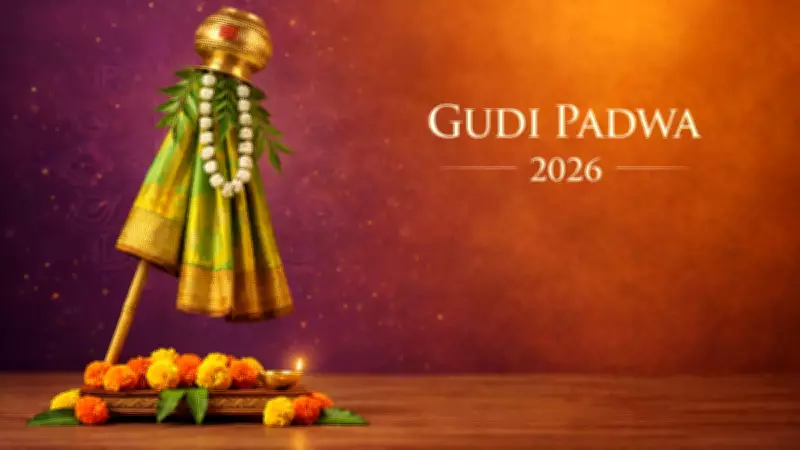
- Gudi Hoisting: A key ritual involves hoisting a Gudi—a decorated pole topped with a bright cloth, neem leaves, flowers, and a copper or silver pot. This is placed outside homes to ward off evil and invite blessings.
- Rangoli and Decorations: Homes are adorned with intricate rangoli designs and fresh flowers, creating a festive atmosphere that reflects joy and positivity.
- Special Prayers and Pujas: Families perform pujas to deities, seeking divine blessings for health, wealth, and happiness in the new year. Temples host special ceremonies, drawing devotees in large numbers.
- Traditional Attire and Feasts: People dress in new clothes, often in traditional Maharashtrian attire, and prepare festive meals. Dishes like puran poli (sweet flatbread) and shrikhand (sweet yogurt dessert) are savored, symbolizing sweetness and abundance.
Significance and Cultural Importance
Gudi Padwa holds profound significance beyond its religious aspects. It commemorates the day when Lord Brahma created the universe, according to Hindu mythology, and also marks the coronation of Lord Rama upon his return to Ayodhya. In Maharashtra, it is associated with the legendary victory of Chhatrapati Shivaji Maharaj, symbolizing valor and resilience. The festival promotes:
- Unity and Community Bonding: Families and communities come together to celebrate, strengthening social ties and fostering a sense of belonging.
- Agricultural Relevance: As a harvest festival, it honors the bounty of nature and the hard work of farmers, aligning with the onset of the Rabi crop season.
- Spiritual Renewal: It encourages introspection and setting positive intentions for the year ahead, emphasizing values like gratitude and humility.
Celebrations Across India
While Gudi Padwa is predominantly celebrated in Maharashtra, similar festivals occur in other parts of India under different names, such as Ugadi in Karnataka and Andhra Pradesh, and Cheti Chand in the Sindhi community. In 2026, these celebrations will unite millions in a shared spirit of new beginnings, with public events, cultural programs, and traditional performances adding to the festive zeal.
As Gudi Padwa 2026 approaches, it serves as a reminder of India's rich cultural tapestry, blending ancient traditions with contemporary celebrations. Whether through hoisting the Gudi or sharing festive meals, this festival continues to inspire hope and joy, making it a cherished part of the Indian calendar.