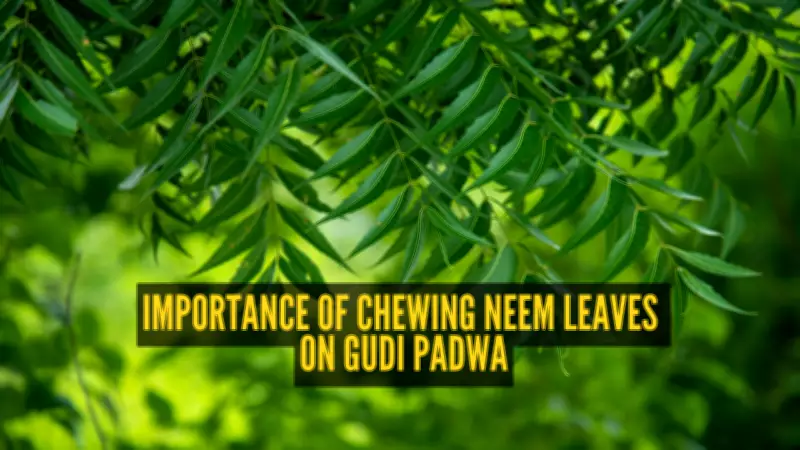
Gudi Padwa 2026: Unraveling the Tradition of Neem Leaves on the Hindu New Year
In India, every festival is steeped in unique customs and rituals, each carrying profound meanings rooted in both mythology and science. Gudi Padwa, celebrated as the onset of the new year in Maharashtra, is no exception. Among its many traditions, one stands out for its symbolic depth: the consumption of neem leaves, often blended with jaggery and other ingredients. This practice, observed on the first day of the Hindu New Year, prompts a fascinating question: why do Marathi people start their year with something as bitter as neem? Let's delve into the reasons behind this age-old ritual.
The Symbolic Blend of Bitter and Sweet
According to legends, eating neem leaves at the beginning of the new year is deeply symbolic. The bitterness of neem, when combined with the sweetness of jaggery, represents life's diverse experiences—joy, sorrow, success, and challenges. This mixture serves as a poignant reminder to embrace all facets of existence, both good and bad. By starting the year with this combination, individuals are encouraged to accept life's varied tastes, fostering resilience and a balanced perspective for the months ahead.
Cultural and Ritual Significance in Marathi Households
In many Marathi households, a special preparation called Kadulimbachya Golya, meaning neem tablets or raw leaf balls, is made and consumed as prasad on Gudi Padwa. This mixture typically includes neem leaves, jaggery, tamarind, cumin seeds, ajwain, peppercorn, black salt, and regular salt. The ritual transcends mere health benefits; it is a way to honor tradition and invoke blessings for prosperity and well-being in the coming year. Here's how to prepare this traditional blend:

How to Make Kadulimbachya Golya: A Step-by-Step Guide
Ingredients:
- 10-12 tender neem leaves
- 1 tablespoon jaggery
- 1 teaspoon tamarind
- 1/2 teaspoon cumin seeds
- 1/2 teaspoon ajwain
- 3-4 peppercorns
- 1/4 teaspoon black salt
- Salt to taste
Method:
- Blend all the ingredients together until a coarse mixture forms.
- Adjust the seasoning if required, ensuring a balanced flavor.
- Roll the mixture into small balls.
- Your chatpata treat is ready to be enjoyed as part of the Gudi Padwa celebrations.
The Spiritual Connection: Purification and Renewal
Gudi Padwa is not just about celebration; it is a time for renewal and purification. In traditional beliefs, neem is considered a purifying agent, associated with cleansing negative energies and encouraging a fresh, mindful beginning. This spiritual aspect aligns with the festival's theme of starting anew, making the consumption of neem leaves a ritual that fosters inner clarity and positive intentions for the year ahead.
Medicinal Perspective: Health Benefits of Neem Leaves
From a health standpoint, neem leaves are renowned for their medicinal properties. Rich in antimicrobial, antiviral, and antioxidant compounds, they help strengthen the immune system. During seasonal changes, neem aids in boosting the digestive system by destroying excess bacteria in the intestinal region and cleansing the colon. This makes the ritual not only symbolic but also beneficial for physical well-being, aligning with the holistic approach of Indian traditions.
Insights from Sadhguru and Scientific Studies
According to Sadhguru, neem is a natural herb with extensive health benefits. Its consumption supports the digestive, respiratory, circulatory, urinary, and reproductive systems. On a broader scale, neem aids in the natural cleansing of the body and the rejuvenation of healthy tissues. Regular intake can help maintain a healthy digestive system, strengthen the immune system and liver function, support metabolism, and promote respiratory health. Additionally, neem exhibits anti-bacterial, anti-viral, antiseptic, and antifungal properties, and it assists in regulating blood sugar levels and purifying the blood.

Scientific studies corroborate these benefits, highlighting that neem and its active constituents possess antioxidant properties. They aid in cancer management by regulating tumor suppressor genes and molecular pathways, and show anti-inflammatory and antidiabetic effects. These effects are primarily linked to neem leaf and seed extracts, underscoring the plant's therapeutic value.
In summary, the tradition of eating neem leaves on Gudi Padwa is a multifaceted practice that blends cultural symbolism, spiritual renewal, and health advantages. It serves as a timeless reminder to embrace life's complexities while nurturing the body and soul for the journey ahead.