PhD Scholar Documents 134 Tribal Lullabies in Gujarat, Preserving Vanishing Oral Traditions
In a remarkable effort to preserve vanishing cultural heritage, a young researcher from Gujarat has completed groundbreaking doctoral work documenting traditional tribal lullabies that have been passed down orally through generations.
From Mother's Lullabies to Academic Research
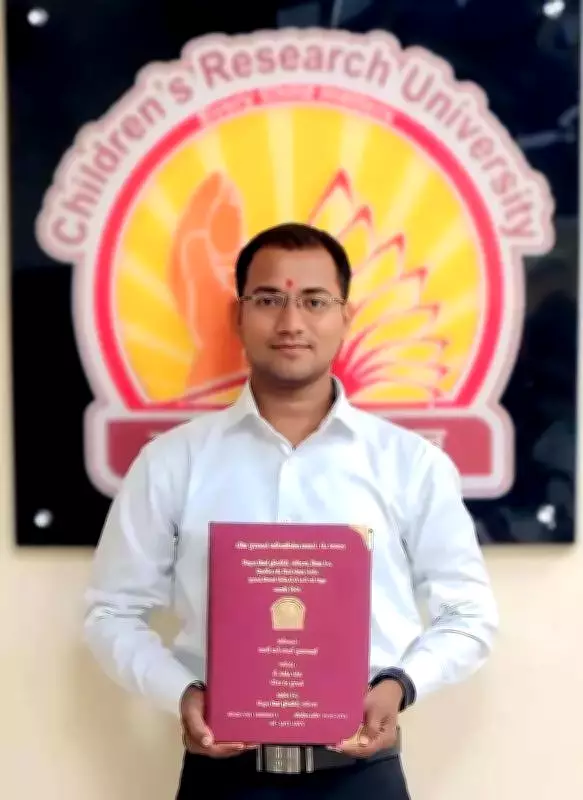
When Somi Gavli of Piplyamal village near Ahwa in Dang district sang traditional tribal lullabies known as 'halarda' to her toddler son Jeetendra, she could never have imagined that decades later, her son would play a pivotal role in preserving these very songs for future generations. Today, 34-year-old Jeetendra Gavli has completed his PhD at the Children's Research University, documenting an impressive collection of 134 lullabies sung across south Gujarat in nine different tribal dialects.
These languages possess no written script, making their rich oral traditions particularly vulnerable to being lost forever as modernization progresses. Jeetendra's work represents a crucial intervention in cultural preservation at a critical time for these indigenous communities.

Comprehensive Documentation Beyond Mere Recording
Jeetendra's research extends far beyond simple audio recording or transcription. He meticulously recorded each 'halarda', explained its meaning word by word, and detailed the specific social and cultural contexts in which these lullabies are traditionally sung. "To properly document 'halarda', I visited numerous villages across the region and spent countless hours with families," Jeetendra explained. "My approach wasn't just about writing down the lullabies, but truly understanding their deeper significance and the stories behind them."
His extensive fieldwork spanned six districts of Gujarat: Dang, Valsad, Navsari, Bharuch, Tapi, and Narmada. Through this comprehensive approach, he compiled both the lullabies themselves and their detailed explanations in Gujarati, creating an invaluable resource for future researchers and community members alike.
Academic Recognition and Cultural Significance
Dr. Prashant Patel, Jeetendra's PhD guide, emphasized the uniqueness of this research. "While researchers have studied various aspects of tribal culture before, what Jeetendra has accomplished is truly distinctive. He conducted extensive, immersive fieldwork to identify and preserve these lullabies with detailed explanations that capture their full cultural context."
Through his study, Jeetendra highlighted the crucial developmental role these lullabies play in tribal communities. "They serve multiple functions in a child's development," he explained. "These songs train children to recognize voices, understand words, grasp musical pitch and tempo, and most importantly, connect with their tradition and cultural heritage from the earliest stages of life."
Cultural Nuances and Family Traditions
One fascinating aspect Jeetendra documented is that in these tribal communities, men also actively participate in singing lullabies to children. These songs carry diverse emotional elements including affection, humor, courage, and playful descriptions of nature and family members. Through this musical tradition, children learn about their environment, family relationships, and cultural values in an engaging, memorable format.
While most 'halarda' are playful and comforting, Jeetendra noted that some are specifically designed to gently frighten children into sleep, demonstrating the sophisticated understanding these communities have of child psychology and behavior management.
Personal Journey and Community Pride
Jeetendra's academic achievement is particularly remarkable given his family background. His parents are uneducated farmers who, despite modest means, ensured his education was never interrupted. "We are immensely proud of him," his mother Somi remarked with evident emotion. "It is especially meaningful that his research focuses on preserving our tribal culture. He has become the only PhD holder from our entire village."
This personal connection to the material he studied gave Jeetendra's work additional depth and authenticity, as he approached the research not just as an academic exercise, but as a mission to preserve his own cultural heritage for future generations.