The Decline of Wedding Ceremonies at Hampi's Ancient Temples
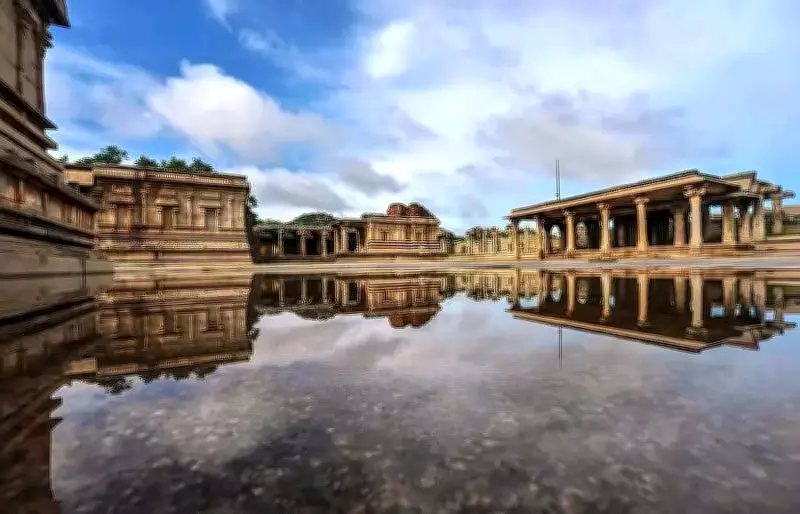
For generations, the historic temples of Hampi in Vijayanagara district echoed with the sacred chants of wedding ceremonies, especially during auspicious occasions like Basava Jayanti. In the past, it was common to witness 20 to 30 marriages solemnized in a single day within these revered precincts.
Known as Pampakshetra, where mythology holds that Parvati married Lord Shiva, and linked to the Kishkindha region from the Ramayana, Hampi has long been a spiritual hub for Hindu families. Many believed that weddings performed here received divine blessings, adding profound emotional and spiritual value to the start of married life.
Simplified Procedures Once Made Temple Weddings Accessible
Previously, families could easily arrange weddings at Hampi's temples by obtaining a special darshan ticket priced at Rs 1,000 from the religious endowment department. This straightforward process allowed couples to celebrate their union in one of Hinduism's most sacred settings, cherished for its simplicity and holy ambiance.

However, in recent years, this cherished tradition has experienced a significant downturn. The primary reasons cited are stringent regulations enforced by both central and state archaeology departments, along with the religious endowment department, and a notable lack of coordination among these authorities.
Key Restrictions Deterring Families from Temple Weddings
Restrictions on cooking and photography within temple premises have emerged as major deterrents for families. In Indian weddings, community meals are an integral part of the celebration, fostering social bonds, while photography is essential for preserving lifelong memories. The absence of these elements has led many to feel that temple weddings are incomplete, pushing them towards alternative venues.
Adding to the confusion, there is a bureaucratic clash: the religious endowment department insists that permission from the archaeology department is mandatory for conducting weddings. In contrast, officials from the Archaeological Survey of India (ASI) assert that approving or rejecting weddings does not fall under their jurisdiction. Their stated role is solely to protect the monuments.
Conflicting Interpretations and Shift to Private Venues
Caught between these conflicting interpretations, numerous families now opt for private wedding halls, despite their preference for a ceremony in Hampi's temples. This shift highlights the growing frustration with regulatory hurdles that obscure the process.
Nevertheless, simple weddings without elaborate festivities reportedly continue in temple premises. Priests are said to perform rituals for couples as long as the ceremonies avoid feasts, photography, or large gatherings. These restrictions have also impacted other traditional practices, such as children's head-shaving ceremonies, which previously involved special pujas and community meals.
Official Responses and Efforts to Revive the Tradition
Vijayanagara Deputy Commissioner Kavita S Mannikeri has acknowledged the issue, stating she will review how weddings were conducted in the past and explore ways to ensure the tradition continues while adhering to departmental rules. This indicates a potential for future adjustments to balance preservation with cultural practices.
Echoing these concerns, Anjaneyalu, executive officer of the religious endowment department in Hampi, noted that hundreds of weddings used to take place annually. He attributed the decline to rules imposed by the ASI, emphasizing that permission from the ASI is now mandatory for conducting weddings.
In a contrasting view, Ramakrishna Reddy, ASI superintendent for the Hampi Circle, clarified, "We have never imposed restrictions on weddings. Protecting monuments is our responsibility. We have no objection to conducting weddings near the temple as per the rules. But we never granted permission for weddings." This statement underscores the ongoing ambiguity and lack of clear guidelines.
The future of Hampi's wedding tradition remains uncertain, as families navigate between spiritual desires and regulatory constraints, hoping for a resolution that honors both heritage and devotion.