The culinary secrets of ancient India are being unveiled through a fascinating new educational initiative from Bengaluru. The Historically Tempered Collective, a group of historians and cultural enthusiasts based in the city, has officially launched an ambitious video series titled 'Thali by Thali' that delves deep into the food habits and dietary patterns of early civilizations on the Indian subcontinent.
Uncovering Ancient Diets Through Modern Media
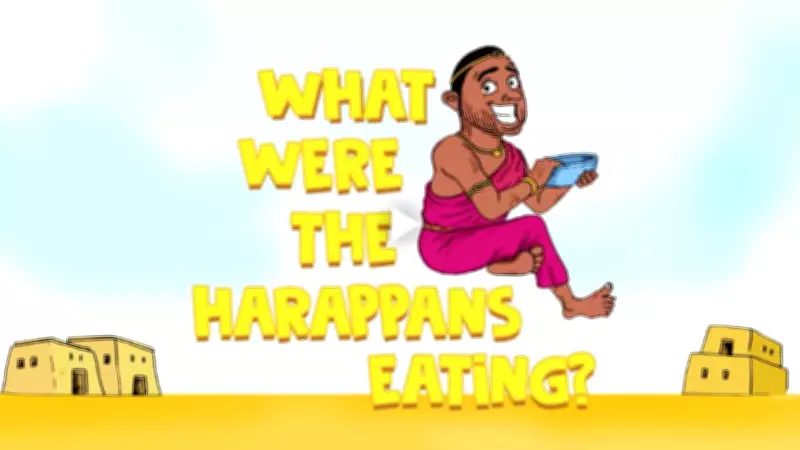
This Tuesday at Sabha Bengaluru, the collective premiered the first two installments of what will become a comprehensive 15-part series available on their YouTube channel, Historically Tempered. The initial videos focus specifically on the dietary practices of the Harappan civilization and early Indians more broadly, bringing academic research to life through engaging visual storytelling.
Expert Voices Illuminate Historical Foodways
The series features distinguished scholars including archaeologists Jaya Menon and Supriya Varma, alongside renowned historian Romila Thapar. Through their expert commentary, viewers gain insights into how researchers reconstruct ancient diets from archaeological evidence such as burnt seeds, fish bones, and food residues found at Harappan sites.

With carefully crafted animations and artwork enhancing the educational content, the videos make complex historical concepts accessible to audiences of all age groups. The production examines multiple methodologies through which contemporary scholars understand what ancient people consumed, from analyzing food remains to studying cooking implements and storage vessels.
Addressing Historical Discourse in Public Life
During a panel discussion accompanying the launch, historian Janaki Nair, a founding member of the collective, emphasized the project's broader significance. "There exists in our public sphere a cacophony of competing historical claims and counterclaims," Nair observed. "We aim to subtly shift this discourse by highlighting aspects of history that particularly need to be understood by younger generations."
Nair pointed out that decades of valuable research on India's social and cultural history rarely find reflection in popular sources or textbooks. "We also want to communicate to younger audiences that historians don't possess definitive answers to every question about the past," she added. "History represents an ongoing argument about what came before us, and we're emphasizing its interpretative dimension—not through mythologizing, but through evidence-based analysis."
Making History Engaging and Relevant
Meera Iyer, convenor of INTACH Bengaluru and another key member of the collective, addressed common perceptions about historical study. "When interacting with schools or conducting heritage walks, people often complain that history feels boring and date-heavy," Iyer noted. "Yet if you examine contemporary newspapers, historical issues dominate public discussion. Since major societal debates frequently center on historical interpretation, it becomes crucial for people to understand how to think critically about this subject."
The series preview included a forthcoming episode dedicated to ancient foods of South India, expanding the geographical scope beyond the initial focus on Harappan civilization. The collective comprises historian Janaki Nair, writer Saisudha Acharya, INTACH Bengaluru convenor Meera Iyer, and history teacher Ajay Cadambi—bringing together diverse perspectives to make historical food studies engaging and accessible.
By examining everything from the types of grains cultivated by Harappans to the cooking techniques employed in ancient kitchens, 'Thali by Thali' promises to offer viewers a flavorful journey through India's culinary past while demonstrating how historical research continues to evolve through new discoveries and interpretations.