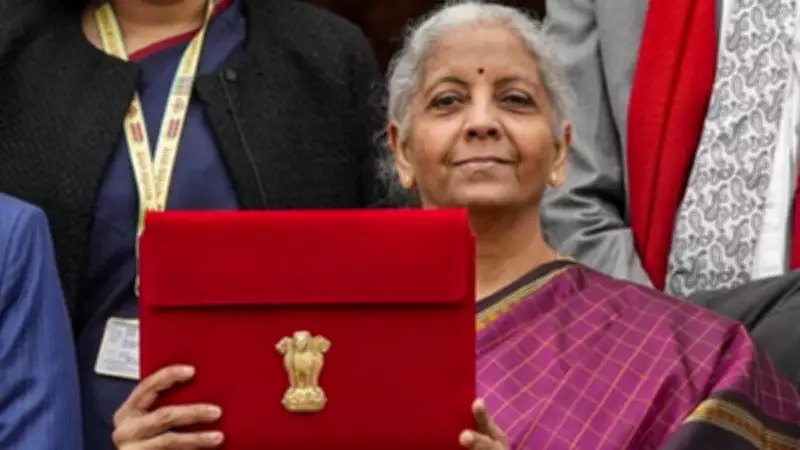
Union Budget 2026 Integrates Sustainability into India's Economic Framework
The recently unveiled Union Budget for 2026 marks a significant shift in India's economic planning by placing sustainability at the very heart of the nation's growth strategy. This forward-thinking approach recognizes that long-term prosperity must be built on environmentally responsible foundations while maintaining industrial vitality and protecting jobs across various sectors.
Balancing Renewable Expansion with Transitional Technologies
A key feature of this budget is its careful equilibrium between accelerating renewable energy adoption and supporting transitional technologies that allow industries to adapt without disruption. The government has demonstrated awareness that an abrupt transition could jeopardize industrial output and employment, particularly in energy-intensive sectors that form the backbone of India's manufacturing economy.
The budget allocates substantial resources to expand solar, wind, and other renewable energy infrastructure while simultaneously creating support mechanisms for industries to gradually shift toward cleaner production methods. This dual-track approach acknowledges the practical realities of India's industrial landscape while maintaining momentum toward climate goals.

Protecting Industry and Employment During Energy Transition
Perhaps the most socially conscious aspect of the budget is its explicit focus on protecting existing industries and the millions of jobs they provide during the energy transition. Rather than pursuing sustainability at the expense of economic stability, the budget introduces targeted measures including:
- Financial incentives for industries adopting cleaner technologies
- Skill development programs for workers in transitioning sectors
- Research funding for innovative solutions that reduce environmental impact while maintaining productivity
- Infrastructure investments that support both traditional and emerging energy systems
This comprehensive strategy reflects an understanding that sustainability cannot be achieved through environmental measures alone but must be integrated with social and economic considerations.
A Holistic Approach to Sustainable Development
The 2026 budget represents more than just environmental policy—it embodies a holistic vision for sustainable development that encompasses economic growth, social equity, and environmental stewardship. By making sustainability a core component rather than an add-on, the government signals that future economic planning will increasingly prioritize long-term resilience over short-term gains.
This approach positions India to meet both domestic development objectives and international climate commitments while building a competitive advantage in the emerging green economy. The budget's emphasis on sustainability as integral to growth strategy suggests a fundamental rethinking of how economic progress is measured and pursued in the coming decades.