The Captivating Story of Indian Yellow: Europe's Enigmatic Pigment
The vibrant history of Indian Yellow pigment represents one of the most fascinating chapters in the global exchange of artistic materials. Known locally as piuri or purree, this distinctive pigment created waves across European art circles with its unique properties and mysterious origins.
Persian Origins and Indian Adoption
Historical evidence suggests that Indian Yellow pigment likely entered the Indian subcontinent through Persian trade routes during the 15th century. This period marked significant cultural and artistic exchanges between the Persian and Indian civilizations, with pigments and artistic techniques flowing freely across borders.
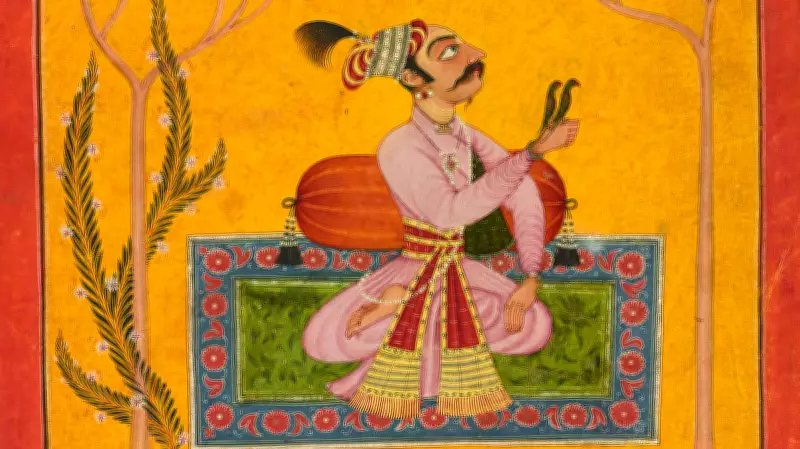
The pigment found particularly fertile ground in the royal courts of Rajasthan and Punjab, where it became an essential component of the region's celebrated miniature painting tradition. These intricate artworks, commissioned by nobility and royalty, showcased the pigment's remarkable qualities to their fullest extent.

Artistic Significance and European Fascination
What made Indian Yellow so remarkable was its unique luminosity and depth of color. Unlike other yellow pigments available in Europe at the time, Indian Yellow possessed a warmth and transparency that European artists found both mysterious and desirable.
The pigment's journey from Indian miniature paintings to European canvases represents an important moment in art history. European artists, always seeking new materials to expand their palette, became captivated by this exotic pigment that offered colors they couldn't achieve with locally available materials.
Production Mysteries and Cultural Context
The production methods of Indian Yellow remained shrouded in mystery for European artists and traders. Local artisans in India had developed specialized techniques for creating and processing the pigment, knowledge that was closely guarded within artistic communities.
This pigment wasn't merely a color but represented a sophisticated understanding of materials and chemistry that had developed over centuries in the Indian subcontinent. The royal patronage of miniature painting in Rajasthan and Punjab ensured that the highest quality pigments received the attention and refinement they deserved.
Legacy and Modern Understanding
Today, the story of Indian Yellow pigment continues to fascinate art historians and conservationists. Modern analysis has helped unravel some of the mysteries surrounding its composition and production, though much of its historical context remains the subject of ongoing research.
The pigment's journey from Persian trade routes to Indian royal courts and eventually to European art studios illustrates the interconnected nature of global art history. It serves as a reminder of how materials, techniques, and artistic ideas have traveled across continents for centuries, enriching artistic traditions everywhere they went.
Indian Yellow stands as a testament to India's significant contributions to global art materials and techniques, a vibrant chapter in the country's rich artistic heritage that continues to inspire artists and historians alike.