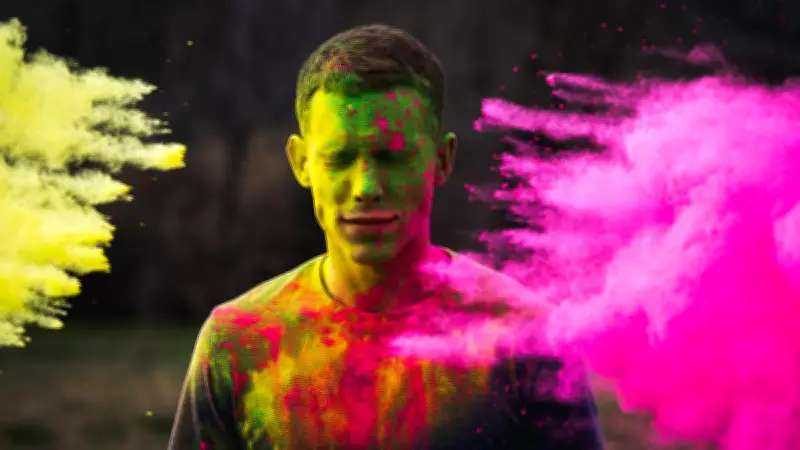
The Science of Emotional Liberation During Holi
Throwing vibrant colors during the festival of Holi is not just a cultural tradition but a powerful act of emotional release, according to neurological science. A neurologist explains that this practice engages multiple brain pathways, leading to feelings of joy and freedom.
How the Brain Responds to Holi Colors
The act of smearing and throwing colors stimulates the brain's sensory and emotional centers. When colors touch the skin, sensory receptors send signals to the brain, activating regions like the somatosensory cortex. This sensory input is processed alongside visual cues from the bright hues, creating a multisensory experience that enhances emotional responses.
Neurologists note that this stimulation can trigger the release of neurotransmitters such as dopamine and serotonin. Dopamine is associated with pleasure and reward, while serotonin helps regulate mood. The combination of these chemicals can produce a natural high, reducing feelings of stress and anxiety.

The Role of Social Bonding and Play
Holi is inherently a social festival, and the communal act of playing with colors strengthens interpersonal connections. From a neurological perspective, social interactions during Holi activate the brain's mirror neuron system, which helps us empathize and bond with others. This social bonding releases oxytocin, often called the "love hormone," which promotes trust and reduces social fears.
Moreover, the playful nature of Holi allows adults to engage in childlike behavior, breaking down social barriers and inhibitions. This playfulness can lower cortisol levels, the hormone linked to stress, leading to a sense of emotional liberation.
Cultural and Psychological Impacts
Beyond immediate brain chemistry, Holi's colors carry cultural significance that reinforces emotional freedom. The festival symbolizes the victory of good over evil and the arrival of spring, themes that resonate with renewal and positivity. Psychologically, participating in such rituals can provide a mental break from daily routines, offering a cathartic release.
The neurologist emphasizes that this emotional freeing is not just anecdotal; it is supported by studies on how sensory-rich activities and social rituals affect mental health. Holi, with its unique blend of color, play, and community, serves as a natural therapy for emotional well-being.
Practical Benefits for Modern Life
In today's fast-paced world, where stress and digital overload are common, Holi offers a tangible way to reconnect with oneself and others. The neurologist suggests that incorporating elements of such sensory and social play into daily life can have lasting benefits for emotional health.
As Holi approaches, understanding this science can deepen appreciation for the festival, highlighting how ancient traditions align with modern neuroscience to promote happiness and freedom.