The Deep-Rooted Significance of Holi: A Festival of Colors and Spirituality
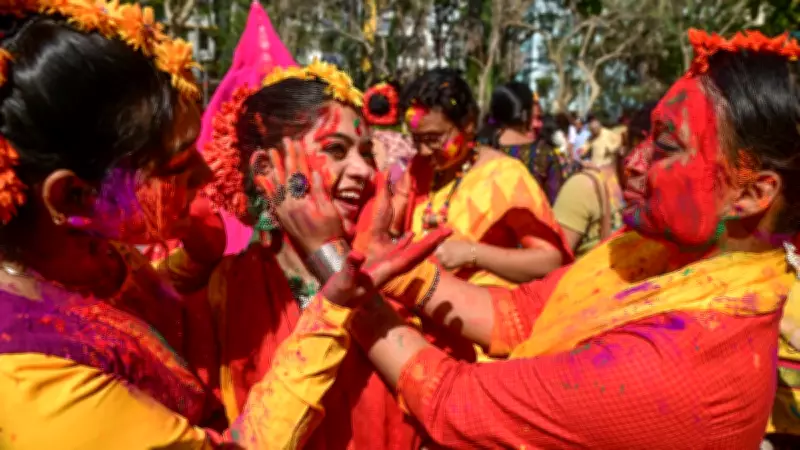
Holi, the vibrant festival of colors celebrated across India and beyond, is much more than just a playful event of throwing colored powders and water. It holds profound mythological and spiritual significance that dates back centuries, weaving together tales of devotion, triumph, and renewal. This festival, typically observed in March, marks the arrival of spring and is a time for communities to come together in joy and harmony.
Mythological Origins: The Legend of Prahlad and Holika
At the heart of Holi's celebration lies the ancient Hindu legend of Prahlad and Holika, which symbolizes the victory of good over evil. According to mythology, Prahlad was a devout young prince who worshipped Lord Vishnu, much to the dismay of his father, the demon king Hiranyakashipu. Hiranyakashipu, arrogant with a boon that made him nearly invincible, demanded that everyone worship him alone. When Prahlad refused, the king plotted to kill him with the help of his sister, Holika.
Holika possessed a magical cloak that made her immune to fire, and she tricked Prahlad into sitting on a pyre with her, intending to burn him alive. However, due to Prahlad's unwavering faith in Vishnu, the cloak flew from Holika to protect him, and she perished in the flames while he emerged unscathed. This event is commemorated on the eve of Holi with Holika Dahan, where bonfires are lit to signify the burning of evil and the protection of righteousness.

Spiritual Essence: Unity, Forgiveness, and Renewal
Beyond its mythological roots, Holi carries deep spiritual meanings that resonate with people of all backgrounds. It is a festival that emphasizes:
- Unity and Equality: During Holi, social barriers dissolve as people from all walks of life come together to play with colors, fostering a sense of community and oneness.
- Forgiveness and Reconciliation: The tradition of applying colors and sharing sweets encourages individuals to let go of past grievances and start anew, promoting harmony in relationships.
- Renewal and Joy: Celebrated at the onset of spring, Holi symbolizes the rejuvenation of nature and the human spirit, encouraging positivity and happiness.
Spiritually, Holi is seen as a time to cleanse the soul, much like the colors wash away impurities, and to embrace the divine love exemplified by stories like that of Lord Krishna and Radha, who are often associated with playful color celebrations in Hindu lore.
Cultural Celebrations and Modern Relevance
Today, Holi is celebrated with immense enthusiasm across India and in many parts of the world, blending ancient traditions with contemporary festivities. Key aspects include:
- Holika Dahan: The night before Holi, communities gather around bonfires to perform rituals, sing songs, and offer prayers, reinforcing the theme of good triumphing over evil.
- Rangwali Holi: The main day involves throwing colored powders (gulal) and water, dancing to music, and enjoying festive foods like gujiya and thandai, creating a lively atmosphere of fun and camaraderie.
- Social Impact: Holi promotes environmental awareness through the use of natural colors and serves as a platform for cultural exchange, highlighting India's rich heritage.
In essence, Holi is not just a festival of colors but a profound celebration of life, faith, and human connection. Its mythological and spiritual layers remind us of the enduring values of devotion, courage, and unity, making it a timeless event that continues to inspire millions. As we revel in the hues of Holi, we honor a legacy that transcends time, bringing light and joy to all.