India is currently celebrating its vibrant harvest festivals across the country. People are engaging in traditional rituals, enjoying community feasts, and flying colorful kites. The celebrations mark the sun's transition into the zodiac sign of Capricorn, known as Makar Sankranti in many regions.
Festive Traditions Across India
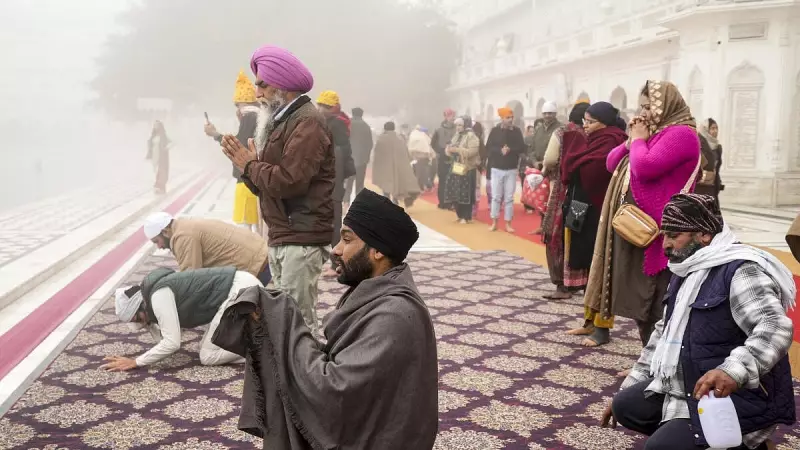
Different states are observing the occasion with their unique customs. In many parts of North India, devotees are taking holy dips in rivers like the Ganga. They believe this act purifies the soul and brings good fortune. Families are preparing special sweets made from sesame seeds and jaggery to share with neighbors.
Community Feasts and Kite Flying
Community feasts, known as bhog or prasad, are bringing people together. These meals often feature freshly harvested crops like rice and lentils. In Gujarat and Rajasthan, the skies are filled with kites of all shapes and sizes. People of all ages are participating in friendly kite-flying competitions, creating a festive atmosphere.

In South India, the festival is called Pongal. Farmers are cooking the first rice of the season in new pots. They let the milk boil over as a symbol of prosperity and abundance. The four-day celebration includes decorating homes with kolam designs and offering prayers to the sun god.
PM Modi's Greetings and Message
Prime Minister Narendra Modi extended his warm greetings to the nation on Makar Sankranti. He emphasized that these harvest festivals reflect the incredible richness of India's cultural landscape. The Prime Minister noted that the celebrations remind citizens of the deep spirit of togetherness that binds everyone in the country.
Modi stated that these traditions showcase India's agricultural heritage and communal harmony. He encouraged people to celebrate with joy while remembering the farmers who work hard to feed the nation. The Prime Minister's message highlighted unity and cultural pride as central themes of the festivities.
Regional Variations and Celebrations
In Assam, people are celebrating Magh Bihu with feasts, bonfires, and traditional games. Young men build makeshift huts called meji and burn them at dawn. Communities gather to enjoy folk dances like Bihu and share meals of pitha and laru.
Other regions have their own names for the festival. In Punjab, it is known as Lohri, marked by bonfires and singing. In Maharashtra, people exchange til-gul sweets and say "til gul ghya, god god bola" meaning accept sweets and speak sweetly. These variations demonstrate India's diverse cultural tapestry.
The harvest festivals signify gratitude for nature's bounty and hope for a prosperous new year. They bring families and communities together, strengthening social bonds. As celebrations continue across India, the air is filled with joy, tradition, and shared happiness.