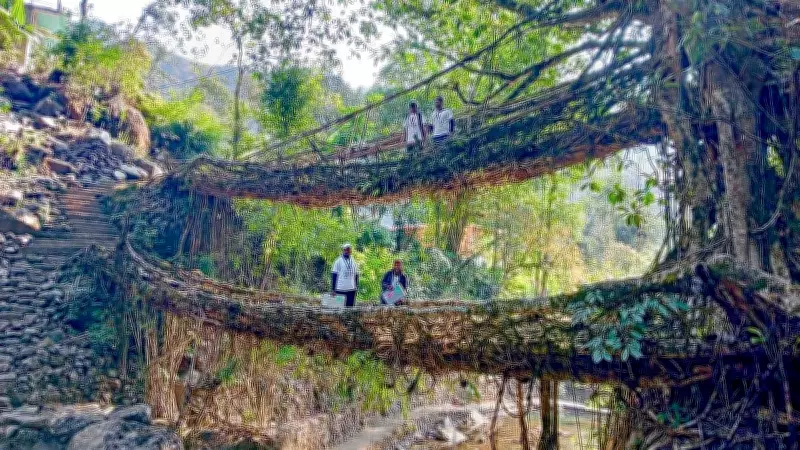
India Formally Nominates Meghalaya's Living Root Bridges for UNESCO World Heritage Recognition
In a landmark move for cultural and ecological preservation, India has officially submitted the nomination of Meghalaya's extraordinary living root bridges for inclusion in the UNESCO World Heritage List. This significant step underscores India's commitment to safeguarding its unique natural and cultural heritage on the global stage.
Diplomatic Handover of Nomination Dossier
The nomination dossier was ceremoniously handed over by India's Ambassador to UNESCO, Vishal V Sharma, to Lazare Assomo Eloundou, the Director of UNESCO's World Heritage Centre. This formal submission, as confirmed in an official statement, marks the culmination of extensive preparatory work by Indian authorities to highlight the bridges' exceptional value.
The living root bridges, primarily found in the dense rainforests of Meghalaya, represent a remarkable fusion of human ingenuity and natural growth. Crafted over generations by the indigenous Khasi and Jaintia communities, these bridges are formed by training the aerial roots of the Ficus elastica tree across rivers and streams, creating sturdy, living structures that grow stronger with time.

Significance of the UNESCO Nomination
This nomination places Meghalaya's living root bridges in contention for one of the world's most prestigious heritage designations. If successful, it would not only bring international acclaim but also bolster conservation efforts and sustainable tourism in the region. The bridges are celebrated for their:
- Ecological Sustainability: As living structures, they exemplify a harmonious relationship between humans and nature, requiring minimal maintenance and having a low environmental impact.
- Cultural Heritage: They embody centuries-old traditional knowledge and skills passed down through indigenous communities, reflecting a deep understanding of local ecosystems.
- Engineering Marvel: These bridges can span over 50 meters and support the weight of dozens of people, showcasing innovative natural engineering that rivals modern construction.
The submission aligns with global efforts to recognize and protect sites of outstanding universal value, particularly those that demonstrate sustainable practices and cultural continuity. India's proactive move highlights the nation's role in promoting biodiversity conservation and indigenous wisdom on international platforms like UNESCO.
Broader Implications and Future Prospects
Beyond the immediate nomination, this initiative is expected to foster greater awareness and protection for similar indigenous practices across India. It underscores the importance of integrating traditional ecological knowledge with contemporary heritage management strategies.
The UNESCO evaluation process will now involve rigorous assessment by experts to determine if the living root bridges meet the criteria for World Heritage status. A positive outcome could set a precedent for recognizing other biocultural landscapes in India and beyond, emphasizing the need to preserve such unique legacies for future generations.