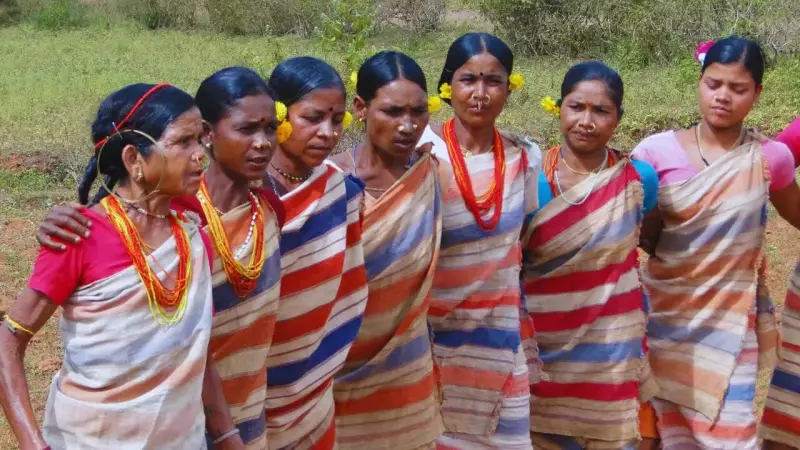
India is a land of incredible cultural diversity, home to one of the world's largest indigenous populations. The nation officially recognizes more than 700 Scheduled Tribes, communities that represent some of the oldest living cultures on the subcontinent. These groups, spread across forests, hills, plains, and islands, maintain a profound connection to their land, nature, and collective memory, preserving distinct ways of life despite centuries of change.
A Tapestry of Tribal Heritage
From the warrior traditions of the Bhils to the matrilineal system of the Khasis, India's tribal communities are defined by their large populations and enduring cultural influence. They have safeguarded unique languages, social structures, artistic expressions, and spiritual beliefs. This resilience offers a fascinating glimpse into the nation's rich pre-modern heritage. Here is a detailed look at nine of the most prominent tribal groups and the customs that shape their identity.
Guardians of Western and Central India
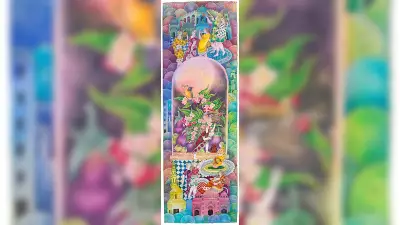
The Bhils form India's largest tribal group, predominantly residing in the states of Rajasthan, Madhya Pradesh, Gujarat, Maharashtra, and parts of Chhattisgarh. Inhabiting forested and hilly regions, their culture is deeply rooted in nature worship. Rather than focusing on large temple-based deities, Bhil spirituality venerates local gods, forest spirits, and ancestors. Historically renowned as skilled warriors and hunters, the Bhils are celebrated for Pithora painting, a ritualistic wall art created to invoke deities for prosperity and protection.

The Gonds are primarily found in Madhya Pradesh, Chhattisgarh, Maharashtra, Odisha, Telangana, and Andhra Pradesh. They once ruled powerful kingdoms in central India before the Mughal era. Gond society is organized around an elaborate system of clan totems, often linked to animals, plants, or natural elements. This reflects their sacred view of nature, where forests, rivers, and hills are central to their rituals and worldview.
The Meena tribe constitutes the largest Scheduled Tribe population in Rajasthan, concentrated in regions like Jaipur, Sawai Madhopur, and Karauli. Traditionally agriculturists, they also served as warriors and administrators in pre-colonial Rajasthan. Clan identity is paramount in Meena society, and marriage within the same clan is strictly prohibited.
Vibrant Cultures of Eastern India
In eastern India, the Santhals of Jharkhand, West Bengal, Odisha, Bihar, and Assam stand out as one of the region's most organized and culturally distinct groups. Their society is governed by a traditional village council headed by a Manjhi (village chief). Santhal dance, performed during festivals and agricultural cycles with drums like the tamak and tumda, is a vibrant expression of their community life.
The Oraons, also known as Kurukh, hail from Jharkhand, Chhattisgarh, Odisha, West Bengal, and Madhya Pradesh. They are known for strong agricultural traditions and structured village life. Their spirituality revolves around the worship of Dharmes, the supreme spirit, alongside other nature deities. The Akhra, or community dancing ground, is the social heart of the village, where traditional dances and courtship rituals take place.
The Munda tribe, primarily from Jharkhand, Odisha, West Bengal, and parts of Chhattisgarh, played a significant role in tribal resistance movements during British rule. Their unique social system includes the Khuntkatti, a traditional form of collective land ownership tied to ancestry. Their religion, part of the Sarna tradition, centers on sacred groves and ancestral spirits.
The Ho people of Jharkhand and northern Odisha place great importance on village unity and ancestral worship. Their cultural expressions include energetic and communal traditional dances, predominantly performed during harvest seasons and marriage ceremonies.

Unique Traditions of the Northeast
The Bodo tribe is the largest plains tribe of Northeast India, concentrated in Assam's Bodoland Territorial Region. Their culture is intrinsically linked to agriculture, particularly rice cultivation. Their traditional faith, Bathou, worships nature. The Bwisagu festival marks the Bodo New Year and is celebrated with vibrant dances, songs, and large community gatherings.
The Khasi community of Meghalaya represents one of the world's largest matrilineal societies. In this system, lineage and inheritance pass through the youngest daughter, known as the Khadduh, who becomes the custodian of family property. Khasi spiritual life is traditionally based on Niam Khasi, an indigenous faith emphasizing harmony between humans, nature, and the divine. Sacred forests hold a special place in their culture and are strictly protected.
Together, these nine communities exemplify the remarkable diversity and resilience of India's tribal heritage. Their enduring traditions, from art and governance to spirituality and social structure, continue to shape the nation's cultural mosaic, offering invaluable lessons in sustainable living and community cohesion.