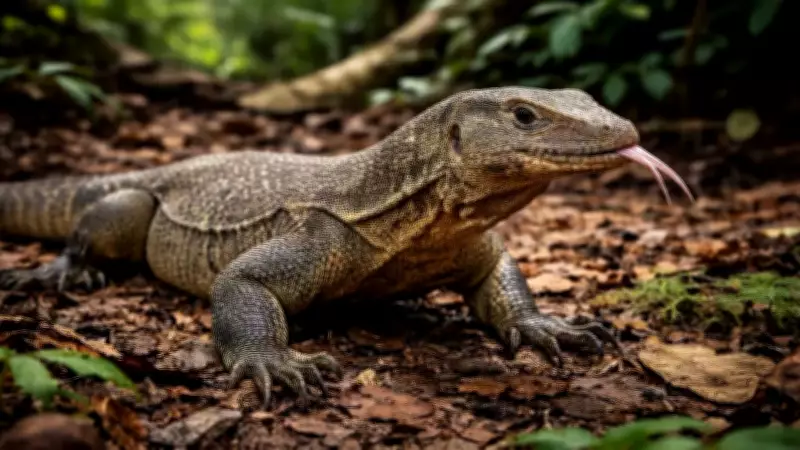
India's Fascinating Monitor Lizards: A Closer Look
India boasts a diverse array of reptile species, but among them, monitor lizards stand out as particularly captivating. These robust reptiles rank among the largest lizards in the country, with certain species capable of reaching impressive lengths. In some cases, monitor lizards can grow up to nine feet, making them some of the most substantial reptiles in Asia.
The Genus and Characteristics of Monitor Lizards
Monitor lizards belong to a genus of large predatory lizards found across Asia, Africa, and Australia. They are easily recognized by their long necks, powerful tails, strong claws, and keen sense of smell. Many species are notably large, with some of the bigger varieties ranking among the world's largest lizards. In India, these lizards are popular due to their substantial size and prehistoric appearance.
Notable Species in India: The Bengal Monitor
One of the most renowned large lizards in India is the Bengal monitor, scientifically known as Varanus bengalensis. This species is widespread throughout the Indian subcontinent and Southeast Asia. The Bengal monitor features a long body, sturdy limbs, and a thick tail that aids in balance. While many individuals are not exceptionally large, some can grow to several feet in length, giving them a dinosaur-like appearance.

India is also home to other monitor lizard species, such as the Asian water monitor, yellow monitor, and desert monitor. These lizards inhabit various environments across the country. Typically solitary, monitor lizards spend their time exploring their surroundings in search of food.
Unique Adaptations and Abilities
Monitor lizards are highly adaptable reptiles, with physical traits that make them strong and agile. They can climb trees, swim proficiently, and run swiftly on land. Key characteristics include a long neck, robust claws, and a powerful tail used for defense. Their tongues help detect scents in the air, similar to snakes, enhancing their hunting efficiency.
Most monitor lizards possess excellent vision and a strong sense of smell, allowing them to consume a varied diet that includes insects, birds, eggs, mice, and other reptiles. Their high intelligence and effective hunting skills mark them as advanced reptiles.
Habitats Across India
Monitor lizards thrive in diverse environments throughout India. They are commonly found in forests, grasslands, deserts, and areas near rivers. The Bengal monitor typically resides in dry forests, agricultural fields, and rocky regions, where it can climb trees with ease. Meanwhile, Asian water monitors prefer habitats close to rivers, lakes, and swamps, utilizing their swimming abilities.
This adaptability enables these reptiles to survive in most Asian locales, showcasing their resilience.
Size Variations and Comparisons
The size of monitor lizards varies by species, ranging from small to extremely large. The Komodo dragon, a member of the same family, is the largest lizard on Earth, exceeding 10 feet in length and weighing over 300 pounds. Although found only in Indonesia, monitor lizards in India can still attain considerable sizes, with some reaching nearly nine feet, especially when including their long tails. These tails constitute a significant portion of their body length and are crucial for balance during climbing or swimming.
Ecological Importance and Conservation
Despite their intimidating appearance, monitor lizards play a vital role in ecosystems. They help control populations of insects, mice, and other small animals. By consuming insect pests and carrion, they contribute to maintaining ecological balance. In some regions, they are even considered beneficial for agriculture due to their pest control abilities.
However, monitor lizards face threats from habitat destruction, poaching, and illegal wildlife trade. In India, they are protected under wildlife laws to prevent harm and ensure their survival. These reptiles serve as a reminder of the country's rich wildlife heritage.