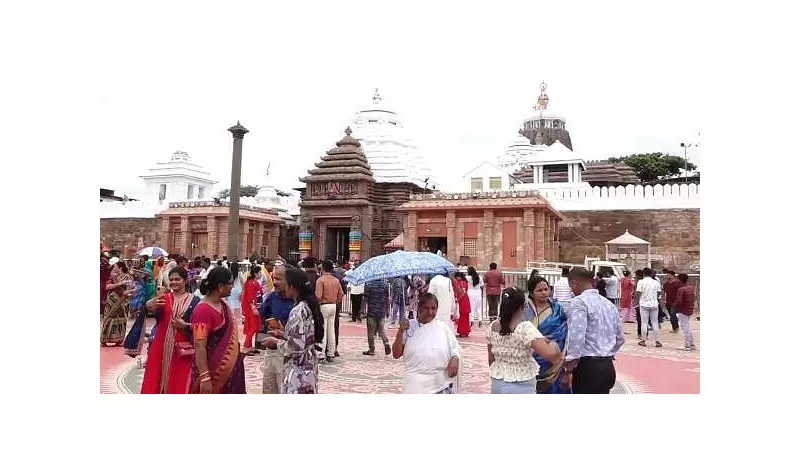
A significant controversy has erupted in Odisha, targeting the International Society for Krishna Consciousness (ISKCON). The organization stands accused of disseminating misleading information about the sacred and ancient Jagannath culture.
Core of the Allegations
The primary charge against ISKCON is that its teachings and publications present a version of the traditions surrounding Lord Jagannath that deviates from the established practices and philosophical tenets preserved for centuries in Puri. Critics argue that this amounts to a distortion of the core Jagannath culture, which encompasses the unique rituals, traditions, and theological beliefs specific to the famed Puri temple.
These allegations suggest that ISKCON's narrative, while rooted in Vaishnavism, often overlooks or reinterprets the distinct local customs and the singular identity of the deities—Lord Jagannath, Balabhadra, and Subhadra—as worshipped in Odisha. The debate centers on the authenticity of cultural representation and the potential dilution of a regional spiritual heritage under a broader, globalized Krishna-centric narrative.

Context and Timeline
The news broke into the public domain on 22 December 2025, with reports highlighting the growing discontent among certain sections of traditionalists and cultural custodians in Odisha. The accusations have sparked discussions on social media and within religious forums, bringing the issue of cultural preservation versus universalized doctrine to the forefront.
Puri, the coastal city housing the iconic Jagannath Temple, is at the heart of this dispute. As the epicenter of the culture in question, the city's religious scholars and servitors (sevayats) are particularly vocal about safeguarding the integrity of their practices.
Potential Repercussions and Ongoing Discourse
This controversy could have several immediate consequences. It may lead to:
- Increased scrutiny of ISKCON's educational and outreach materials related to Jagannath.
- A formal dialogue or even a dispute between the temple authorities in Puri and the global ISKCON leadership.
- A wider public debate on how global religious movements interact with and represent localized, non-centralized spiritual traditions.
The situation remains fluid, with no official statement yet from the governing body of the Puri Jagannath Temple or a detailed rebuttal from ISKCON's central leadership as of the reporting date. Observers note that the outcome of this conflict could set a precedent for similar interactions between universalizing religious institutions and deeply rooted regional faith systems across India.
Ultimately, the controversy underscores a timeless tension: the balance between sharing spiritual messages with a worldwide audience and maintaining the nuanced, historical authenticity of a place-based culture. The developments in the coming days will be crucial for the stakeholders involved and for the future discourse on Jagannath culture itself.