Puri's Jagannath Temple Becomes Culinary Refuge Amid LPG Shortages
In the coastal town of Puri, Odisha, a significant shift is unfolding as the ongoing conflict in West Asia disrupts the supply of commercial cooking gas, impacting hotels, restaurants, eateries, and some temples. However, the historic Jagannath Temple stands resilient, offering a sanctuary for hungry souls with its traditional Mahaprasad, cooked exclusively over firewood.
Surge in Demand for Temple's Sacred Food
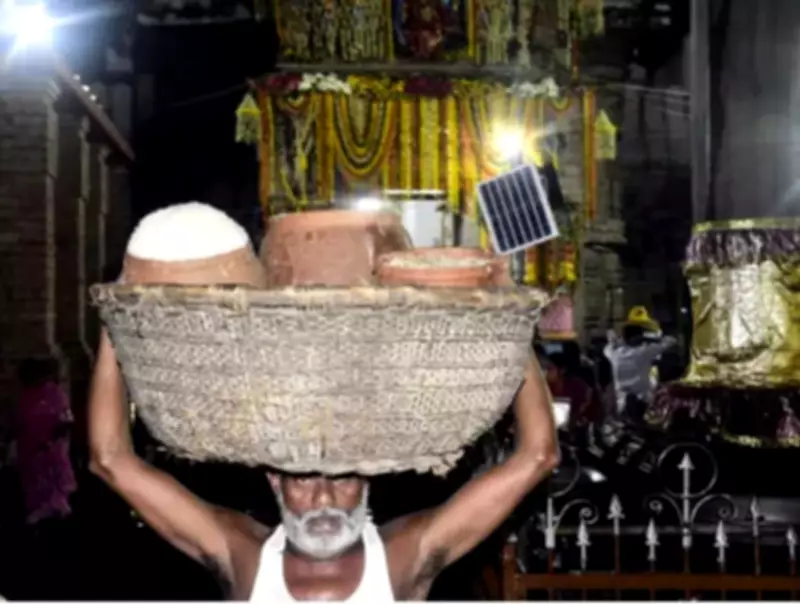
The Suar Mahasuar Nijog, the association of servitors responsible for preparing the Mahaprasad, has reported a sharp increase in demand over the last two to three days. According to Narayan Mahasuar, secretary of the Nijog, daily consumption has risen from approximately 30,000 devotees to 40,000. This surge is attributed to widespread disruptions in LPG availability, forcing many local eateries to close their doors.
Footfall at the temple's Ananda Bazar, where Mahaprasad is sold and can be consumed on-site, has notably grown during lunch and dinner hours. Devotees, tourists, and locals alike are turning to this ancient culinary practice as a reliable source of sustenance.

Hoteliers and Devotees Adapt to Crisis
Hoteliers in Puri have confirmed this trend, with guests increasingly relying on the temple's offerings. Debasis Kumar, a Puri-based hotelier and executive member of the Odisha hotel and restaurant association, stated, "Our guests are now mostly relying on Jagannath Temple's Mahaprasad with most restaurants shut." This shift highlights how the crisis is reshaping dining habits in the region.
Devotees have expressed gratitude for this unexpected revival of tradition. Binayak Mishra, a visitor from Rourkela, shared, "It's almost as if Lord Jagannath himself ensured that people would not go hungry even though restaurants are running short of cooking gas. During our two-day stay in the hotel, we bought Mahaprasad, which is a bliss."
Traditional Cooking Methods Unaffected
The Jagannath Temple, a 12th-century shrine, has long prepared its Mahaprasad using firewood, a practice that now shields it from the LPG crisis. Arabinda Kumar Padhee, chief administrator of the Shree Jagannath Temple Administration, emphasized, "By Lord Jagannath's blessings, we are able to manage the wood required to cook food. Cooking gas is not allowed in the temple."
Each day, the temple kitchen requires 80 to 100 quintals of wood to operate, making it one of the largest temple kitchens in India, with the capacity to serve up to one lakh devotees. The servitors have urged the temple administration to ensure a sufficient supply of firewood, which traditionally includes timber from dismantled Rath Yatra chariots, supplemented by casuarina wood from forest department depots and private sources.
Affordable and Sacred Meals
Currently, a normal meal of rice, dal, and curry at the temple costs around Rs 150, while a special meal with additional items like dalma, mahur, and saga is priced at Rs 250. This affordability, combined with the sacred nature of the food, has made Mahaprasad an attractive option during these challenging times.
The situation underscores the temple's enduring role as a community pillar, blending spirituality with practical support. As global tensions continue to affect local economies, the Jagannath Temple's adherence to age-old methods offers a lesson in resilience and sustainability.