Jaipur Elephant Handlers Defend Pink Photoshoot Amidst Controversy
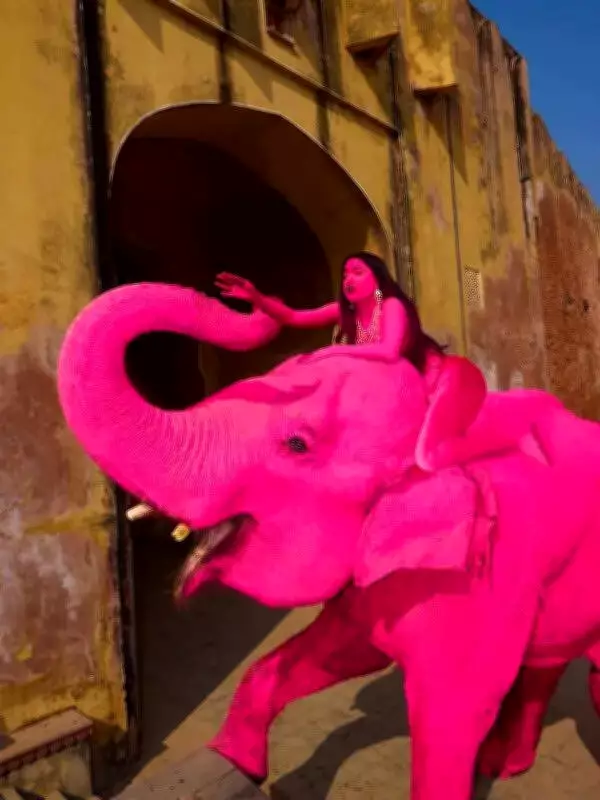
In a passionate defense of their practices, handlers from Jaipur's Hathi Gaon have spoken out regarding the controversial pink elephant photoshoot that has sparked widespread debate. The elephant at the center of the controversy, named Chanchal, passed away in February of this year, with handlers attributing the death to natural causes linked to age rather than any external factors.
Generational Care and Economic Dependence
Ballu Khan, president of the Hathi Gaon Vikas Samiti, emphasized the deep-rooted connection between the settlement's families and their elephants. "These elephants here are like our own kids," Khan stated, highlighting how families have raised elephants for five generations. He explained that elephant rides serve as a crucial source of funding for the animals' care, including feeding, bathing, and medical needs.
Khan detailed the facilities provided by the government to support this symbiotic relationship, including a 24x7 veterinary doctor, designated areas for drinking water and bathing, and a school for the handlers' children. "This is so that we can stay here and take care of the animals," he added, firmly denying any illegal activity during the photoshoot. He asserted that Chanchal was painted with organic colors, which he claimed were safe and non-harmful.

Post-Mortem and Standard Procedures
Following Chanchal's death, a post-mortem examination was conducted as per standard practice, with the report submitted to the forest department. Khan reiterated that this was a routine procedure to ensure transparency and accountability in animal care. The controversy resurfaced recently after criticism targeted Russian photographer Julia Buruleva's art campaign in Jaipur last year, which featured the brightly painted elephant.
Photographer's Response and Cultural Context
In response to the backlash, Buruleva provided an email statement to TOI, defending her project. She described the elephant's demeanor during the shoot as calm, relaxed, and responsive, with no signs of distress. "Behind-the-scenes footage shows the animal behaving playfully and comfortably," she noted, including moments of natural interaction and feeding.
Buruleva clarified that she had been informed Chanchal was an older elephant, and she argued that its death months after the photoshoot could not be linked to the session. "It is important to note that the photoshoot took place more than four months ago and could not have had any impact on this," she explained. She emphasized that elephants, like all animals, may pass away due to various natural reasons, and connecting it to a short, controlled event would be inaccurate.
Additionally, Buruleva pointed out that painted elephants are a visible part of Jaipur's cultural landscape, and her project aimed to reflect this observed reality. She stressed that her intentions were artistic and not intended to cause harm, aligning with her observations of local traditions.
Broader Implications and Community Perspectives
The debate raises important questions about animal welfare, cultural practices, and economic dependencies in communities like Hathi Gaon. Handlers argue that their livelihood and the elephants' well-being are intertwined, with generations of care underpinning their defense. Meanwhile, critics continue to scrutinize the ethics of such photoshoots, calling for stricter regulations and oversight.
As discussions unfold, both sides present compelling arguments: one rooted in tradition and necessity, the other in modern ethical standards. The outcome may influence future policies on animal interactions in tourism and art, balancing cultural heritage with contemporary welfare concerns.