Jaya Ekadashi 2026: A Sacred Observance of Spiritual Purification
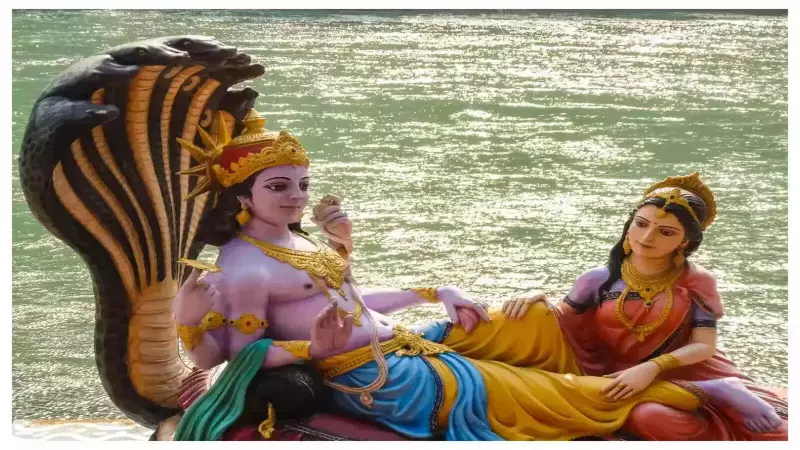
Jaya Ekadashi stands as one of the most spiritually significant Ekadashi observances in the Hindu calendar, celebrated with profound devotion across India. This auspicious day occurs on the eleventh day (Ekadashi) during the Shukla Paksha (waxing phase of the moon) in the sacred month of Magha. For millions of Hindus, Jaya Ekadashi embodies immense religious importance, offering a pathway to divine blessings and spiritual cleansing through dedicated worship of Lord Vishnu.
Jaya Ekadashi 2026: Date and Precise Timings
In the annual cycle of twenty-four Ekadashi observances—which occur twice monthly during both Shukla Paksha and Krishna Paksha—Jaya Ekadashi holds a special place. This year, devotees will celebrate Jaya Ekadashi on January 29, 2026, with specific timings that guide the rituals and fasting period.
- Ekadashi Tithi Begins: January 28, 2026 - 04:35 PM
- Ekadashi Tithi Ends: January 29, 2026 - 01:55 PM
- Parana Time: January 30, 2026 - 07:10 AM to 09:20 AM
- Parana Day Dwadashi End Moment: January 30, 2026 - 11:09 AM
These precise timings are crucial for devotees to observe the fast correctly and perform the Parana (breaking of the fast) at the most auspicious moment.

The Profound Significance of Jaya Ekadashi
For Hindus, particularly Vaishnavas (devotees of Lord Vishnu), Jaya Ekadashi carries deep spiritual meaning. The primary purpose of this day is to worship Lord Vishnu with utmost sincerity and devotion. Devotees observe a strict fast, abstaining from food and water, while engaging in elaborate puja rituals dedicated to the preserver deity.
It is believed that observing the Jaya Ekadashi fast with complete dedication brings immense merit and auspiciousness. Devotees who follow all prescribed rituals are said to receive Lord Vishnu's forgiveness for past misdeeds—whether conscious or unconscious—and attain spiritual purification. This observance is thought to bestow prosperity, happiness, and all earthly pleasures while paving the way toward salvation (moksha).
The Divine Story Behind Jaya Ekadashi
The origin of Jaya Ekadashi is rooted in a captivating mythological tale from Hindu scriptures. According to legend, Indra, the king of deities, once visited Nandana, a celestial forest in the heavens inhabited by gods enjoying its lush greenery and beautiful flowers. Among the forest's inhabitants was Malyavan, a remarkably handsome and knowledgeable being, who had fallen deeply in love with a young maiden named Pushpavati. Their mutual affection was so intense that they often neglected their divine duties, lost in admiration of each other's beauty.
Other gods grew jealous and uncomfortable witnessing their behavior. During Indra's visit, the gods organized a dance concert where Malyavan and Pushpavati participated. While dancing, the couple became so engrossed in their love for each other that they completely ignored the audience, including Indra himself. Enraged by their disregard, Indra cursed them to be born as a poor couple on Earth, destined to suffer poverty and hardship.
As a result of this curse, Malyavan and Pushpavati were reborn as a destitute couple in the Himalayas. They struggled to survive, lacking adequate food and clothing to protect themselves from the severe cold. However, on the day of Jaya Ekadashi, they unknowingly entered into penance and worship of Lord Vishnu. Moved by their devotion, Lord Vishnu restored their lost glories and returned them to their heavenly abode, thus establishing the power of Jaya Ekadashi observance.
Essential Puja Rituals for Jaya Ekadashi 2026
To observe Jaya Ekadashi correctly, devotees follow a series of traditional rituals with great care. These practices are designed to honor Lord Vishnu and seek his blessings.

- Holy Bath: Begin the day by taking a purifying bath as soon as you wake up.
- Cleaning: Thoroughly clean the house, with special attention to the puja room.
- Idol Placement: Place idols of Lord Vishnu, Lord Krishna, Laddoo Gopal Ji, and the Shree Yantra (a manifestation of Goddess Lakshmi) on a wooden plank.
- Offerings: Light a diya with desi ghee in front of the idols and offer flowers, garlands, tulsi leaves (basil), and sweets.
- Tulsi Preparation: Note that tulsi leaves should be plucked the day before Ekadashi, as it is considered inauspicious to pluck them on Ekadashi or Dwadashi.
- Mantra Recitation: Devotees recite "Om Namo Bhagvate Vasudevaye" and the Shri Krishna Maha Mantra 108 times each.
- Katha Reading: Recite the specific Ekadashi Katha associated with Jaya Ekadashi.
- Aarti: Conclude the puja by performing aarti.
- Prasad Distribution: Offer bhog prasad to every family member.
- Breaking the Fast: The fast is broken on the next day (Dwadashi Tithi) during the designated Parana time.
Powerful Mantras for Jaya Ekadashi Worship
Chanting sacred mantras enhances the spiritual benefits of Jaya Ekadashi observance. Devotees often recite the following mantras with devotion:
- Om Namo Bhagvate Vasudevaye Namah..!!
- Shri Krishna Govind Hare Murari Hey Nath Narayan Vasudeva..!!
- Ram Ram Rameti Rame Raame Manorame Sahasranama Tatulyam Ram Naam Varanane..!!
- Hare Ram Hare Ram Ram Ram Hare Hare Hare Krishna Hare Krishna Krishna Krishna Hare Hare..!!
By following these rituals and embracing the spiritual essence of Jaya Ekadashi, devotees seek to purify their souls, gain divine favor, and progress on their spiritual journey. This observance remains a timeless tradition that connects millions to their faith and cultural heritage.