Jaya Ekadashi 2026: A Comprehensive Guide to Sacred Observances and Lamp Lighting Rituals
The year 2026 brings with it the auspicious occasion of Jaya Ekadashi, a revered day in the Hindu spiritual calendar that holds profound significance for devotees across India and beyond. This sacred fast, observed on the eleventh day of the lunar fortnight, is dedicated to seeking divine blessings, spiritual purification, and material prosperity. As preparations begin for this holy day, understanding the specific rituals, particularly the lamp lighting rules, becomes essential for those wishing to observe it with devotion and correctness.
Understanding the Spiritual Importance of Jaya Ekadashi
Jaya Ekadashi is celebrated during the Magha month according to the Hindu lunar calendar, typically falling in January or February. In 2026, this observance is set to inspire millions of devotees to engage in fasting, prayer, and charitable acts. The day is believed to be especially powerful for washing away sins, overcoming obstacles, and attracting positive energy into one's life. According to ancient scriptures, observing Jaya Ekadashi with sincerity can lead to liberation from past karmic debts and open pathways to spiritual enlightenment.
Detailed Lamp Lighting Rules for Jaya Ekadashi 2026
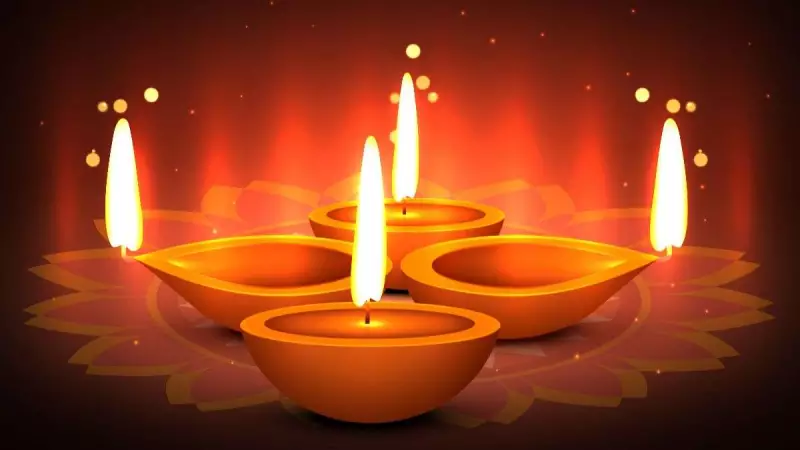
The lighting of lamps, or diyas, is a central ritual during Jaya Ekadashi, symbolizing the dispelling of darkness and the invitation of divine light. Here are the key rules to follow:

- Timing is Crucial: Lamps should be lit during the evening hours, ideally at sunset or during the designated prayer time known as Sandhya. This aligns with the spiritual belief that lighting lamps at this time enhances their efficacy in attracting blessings.
- Use of Pure Materials: It is recommended to use lamps made of clay, brass, or silver, as these materials are considered pure and conducive to spiritual energy. Avoid plastic or synthetic materials to maintain the sanctity of the ritual.
- Fuel and Wick Selection: Traditional fuels like ghee (clarified butter) or sesame oil are preferred for lighting the lamps. Cotton wicks are commonly used, and they should be clean and free from impurities to ensure a steady, bright flame.
- Placement of Lamps: Lamps should be placed in a clean, sacred space such as a home altar, temple, or near tulsi plants. Facing the lamps towards the east is considered auspicious, as it welcomes the divine energy of the sunrise.
- Number of Lamps: While there is no strict rule, lighting an odd number of lamps, such as one, three, or five, is often practiced to symbolize unity and spiritual harmony.
- Prayers and Mantras: While lighting the lamps, recite specific mantras or prayers dedicated to Lord Vishnu, to whom Jaya Ekadashi is devoted. This adds a layer of devotion and intention to the ritual.
Additional Observances and Fasting Guidelines
Beyond lamp lighting, Jaya Ekadashi involves a strict fast that begins at sunrise on Ekadashi day and concludes at sunrise the following day, known as Dwadashi. Devotees abstain from grains, beans, and certain vegetables, consuming only fruits, milk, and water if necessary. Engaging in charitable activities, reading religious texts, and meditating are also encouraged to maximize the spiritual benefits of this day.
In 2026, as communities come together to observe Jaya Ekadashi, these rituals serve as a reminder of India's rich spiritual heritage. By adhering to the lamp lighting rules and other practices, devotees can connect deeply with their faith, fostering inner peace and divine grace in their lives.