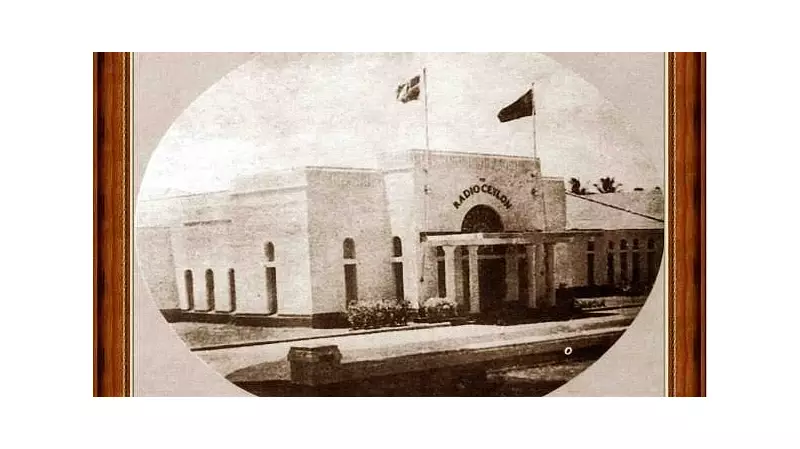
The Unlikely Radio Capital of India
In the early 1950s, a small, unassuming town in Jharkhand captured the imagination of the entire nation through the airwaves. Jhumri Telaiya, a part of a rich mica belt first discovered by the British in 1890, unexpectedly shot to national fame. Its name became a familiar refrain on two of the most popular radio services of the era: Radio Ceylon and All India Radio's Vividh Bharati. Listeners across the country were constantly greeted with the phrase, "Agli farmaish hai Jhumri Telaiya se" (The next request is from Jhumri Telaiya), making the town a legendary part of India's cultural history.
The Mica Boom and a Cultural Phenomenon
The story of Jhumri Telaiya's radio dominance is intertwined with its economic prosperity. The town's wealth was built on its vast mica deposits, which attracted mining and trading businesses. This economic boom created a thriving, affluent community with access to radios and a deep love for Hindi film music. Residents, from businessmen to local enthusiasts, began sending countless song requests to their favourite radio programmes.
The volume of mail from this single town was so immense that it consistently inundated the request lines of both Radio Ceylon and Vividh Bharati. Announcers like Ameen Sayani on Binaca Geetmala found themselves repeatedly reading out dedications from listeners in Jhumri Telaiya, cementing its status as the unofficial request capital of Indian radio.

A Legacy of Nostalgia
Today, decades later, the nostalgia for that golden era still grips the town. While the mica industry has seen its ups and downs, the pride associated with its unique claim to fame remains undiminished. The phenomenon transformed Jhumri Telaiya from a dot on the map into a national symbol of community participation in popular culture.
This chapter of history highlights a pre-internet, pre-social media time when radio was the primary connector of a vast nation. A small town's collective passion managed to carve out a permanent space in the collective memory of a country, proving that influence can come from the most unexpected places.
The tale of Jhumri Telaiya is more than just a quirky fact; it is a testament to the power of mass media in shaping identity and creating enduring, shared cultural moments that are fondly remembered even today.