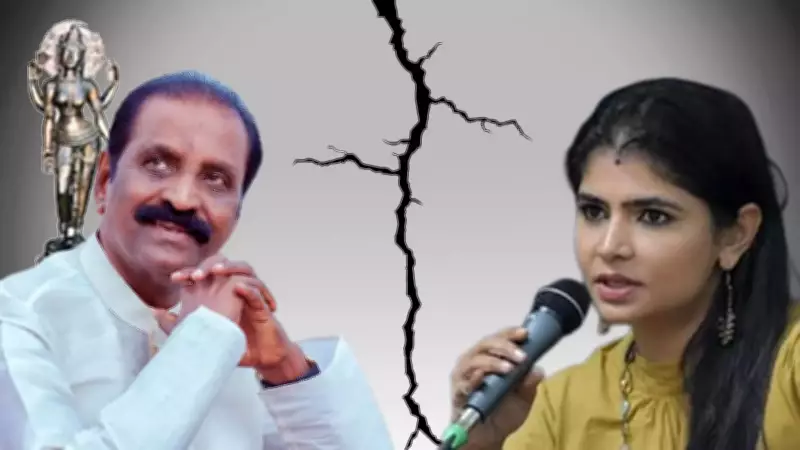
Jnanpith Award for Vairamuthu Ignites Major Controversy in Tamil Literary Circles
The prestigious Jnanpith Award, India's highest literary honor, has been bestowed upon renowned Tamil poet and lyricist Vairamuthu, but this decision has ignited a fierce and widespread backlash within Tamil literary circles. The award, announced recently, has sparked what many are calling a literary revolt, with numerous writers, activists, and cultural figures vehemently opposing the selection.
Allegations and Outcry Fuel the Controversy
At the heart of the controversy are serious allegations of sexual harassment that have been leveled against Vairamuthu by multiple women over the years. Critics argue that honoring him with such a distinguished award sends a deeply troubling message, especially in the context of the #MeToo movement and ongoing efforts to address gender-based violence in India. The backlash has been swift and vocal, with many expressing outrage on social media and through public statements.
Prominent Tamil writers and intellectuals have joined the chorus of dissent, questioning the ethics and timing of the award. They emphasize that while Vairamuthu's literary contributions are significant, the allegations against him cannot be overlooked. This has led to a broader debate about the moral responsibilities of award-giving bodies and the need to consider an individual's conduct alongside their artistic achievements.

Impact on Tamil Literary Community
The controversy has deeply divided the Tamil literary community, with some defending Vairamuthu's literary legacy and others calling for a boycott of the award ceremony. This revolt is not just about one award but reflects larger issues of accountability and representation in the arts. Many fear that the decision could tarnish the reputation of the Jnanpith Award itself, which has historically been a symbol of literary excellence in India.
Key points of contention include:
- The lack of transparency in the selection process for the Jnanpith Award.
- The perceived insensitivity to survivors of sexual harassment and abuse.
- The potential normalization of problematic behavior in cultural spheres.
- The call for more inclusive and ethical criteria in literary honors.
Broader Implications for Indian Literature
This incident has sparked a national conversation about the intersection of art, morality, and recognition in India. It raises critical questions about how literary awards should balance artistic merit with social responsibility. As the debate continues, it is clear that the Tamil literary revolt over Vairamuthu's Jnanpith Award is more than a local issue—it is a pivotal moment that could influence future award decisions and cultural policies across the country.
In conclusion, while Vairamuthu's contributions to Tamil literature are undeniable, the controversy surrounding his Jnanpith Award highlights the complex dynamics at play in honoring public figures. The literary community's revolt underscores a growing demand for greater accountability and ethical considerations in the recognition of artistic achievements, setting a precedent for future discussions in Indian literature and beyond.