Jumat-ul-Vida 2026: A Sacred Final Friday in Ramadan
In the Islamic calendar, Jumat-ul-Vida, also known as Alvida Jumma, is a profoundly significant day observed as the last Friday of the holy month of Ramadan. For the year 2026, this auspicious occasion is anticipated to fall on Friday, March 13, based on lunar calculations and astronomical predictions. This date marks a pivotal moment in the spiritual journey of Muslims globally, as Ramadan draws to a close with heightened devotion and prayer.
Understanding the Date and Its Calculation
The timing of Jumat-ul-Vida is determined by the sighting of the moon, which governs the Islamic lunar calendar. Ramadan typically spans 29 or 30 days, and the last Friday within this period is designated as Jumat-ul-Vida. In 2026, Ramadan is expected to commence around mid-February, leading to the final Friday on March 13. It is crucial to note that the exact date may vary slightly depending on regional moon sightings and local religious authorities, but March 13 serves as a widely accepted estimate for planning purposes.
Spiritual Significance and Observance
Jumat-ul-Vida holds immense spiritual weight in Islam, symbolizing a day of intensified worship and supplication. Key aspects of its observance include:

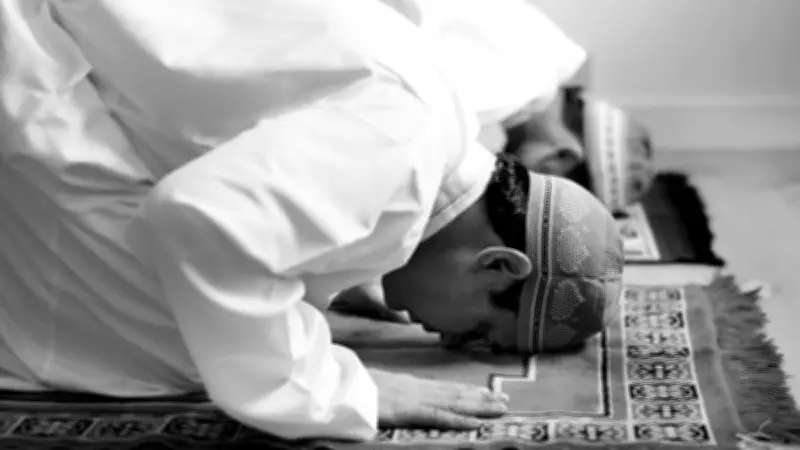
- Special Prayers: Muslims gather in mosques for the Jumu'ah (Friday) prayers, which are considered especially meritorious during Ramadan. Sermons often focus on themes of forgiveness, charity, and spiritual renewal.
- Recitation of the Quran: Many devotees engage in extended reading or completion of the Quran, seeking blessings and divine guidance as Ramadan concludes.
- Acts of Charity: Increased giving, known as Zakat and Sadaqah, is encouraged to purify wealth and support those in need, aligning with the charitable spirit of Ramadan.
- Reflection and Repentance: This day is viewed as an opportunity for self-assessment, seeking forgiveness for past sins, and making resolutions for personal betterment.
The term "Alvida Jumma" translates to "Farewell Friday," emphasizing the emotional and spiritual farewell to the blessed month of Ramadan. It serves as a reminder to carry forward the lessons of patience, piety, and compassion learned during this period.
Global Observance and Cultural Practices
Across the world, Jumat-ul-Vida is observed with reverence and community spirit. In countries with significant Muslim populations, such as India, Pakistan, Bangladesh, and Middle Eastern nations, mosques are adorned, and special arrangements are made for large congregations. Cultural practices may include:
- Community Gatherings: Families and friends often come together for iftar (breaking of the fast) and prayers, fostering a sense of unity and shared faith.
- Decorative Elements: Some regions decorate homes and mosques with lights and banners to honor the occasion, though practices vary based on local traditions.
- Educational Programs: Religious lectures and discussions are organized to deepen understanding of Islamic teachings and the significance of Ramadan's conclusion.
As a day of spiritual culmination, Jumat-ul-Vida encourages Muslims to reflect on their Ramadan experiences and prepare for Eid-ul-Fitr, the festival marking the end of fasting. It underscores the importance of continuous worship and ethical living beyond the holy month.
In summary, Jumat-ul-Vida 2026, expected on March 13, is a cornerstone of Islamic observance, blending prayer, charity, and community in a final tribute to Ramadan. Its observance reinforces core values of faith and compassion, resonating deeply within the global Muslim community.